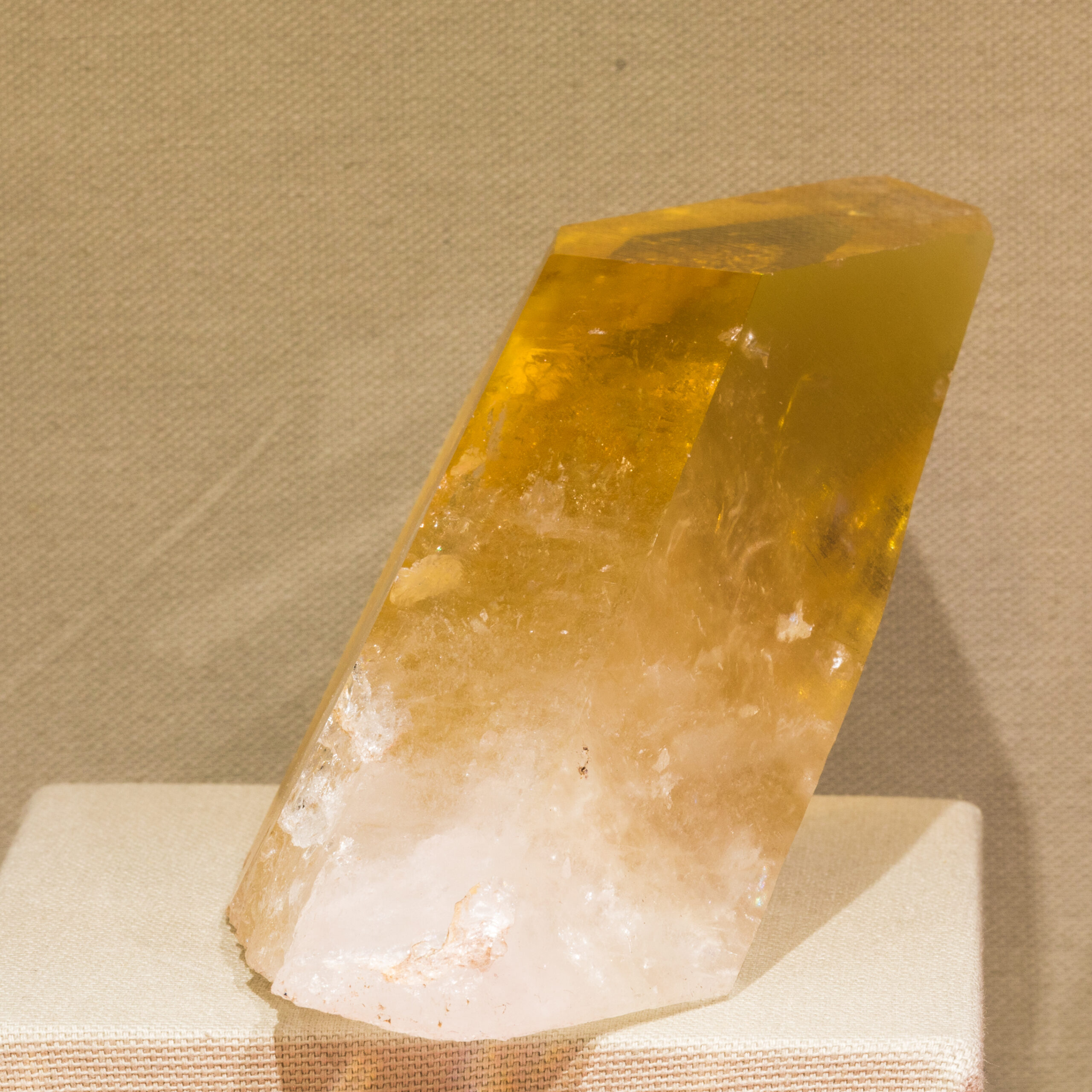
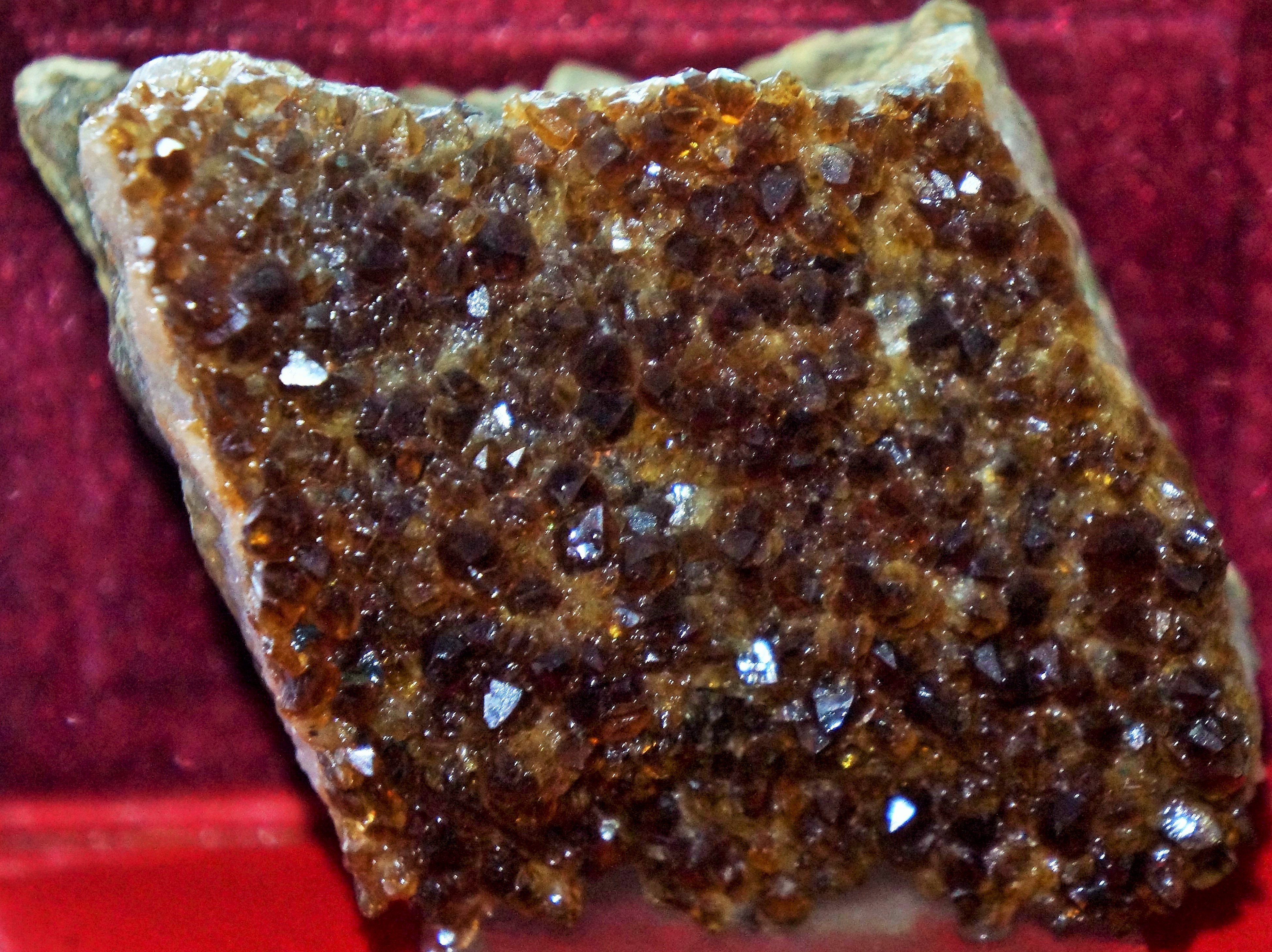
Citrine is a birthstone for November, and it shares the month with topaz. Citrine is a transparent variety of quartz. Its color runs from pale yellow to brownish orange. In crystal tradition, citrine is linked with joy, warmth and prosperity. These are cultural meanings, not proven effects. Citrine is also the gem for the 13th wedding anniversary.
What month is citrine the birthstone for?
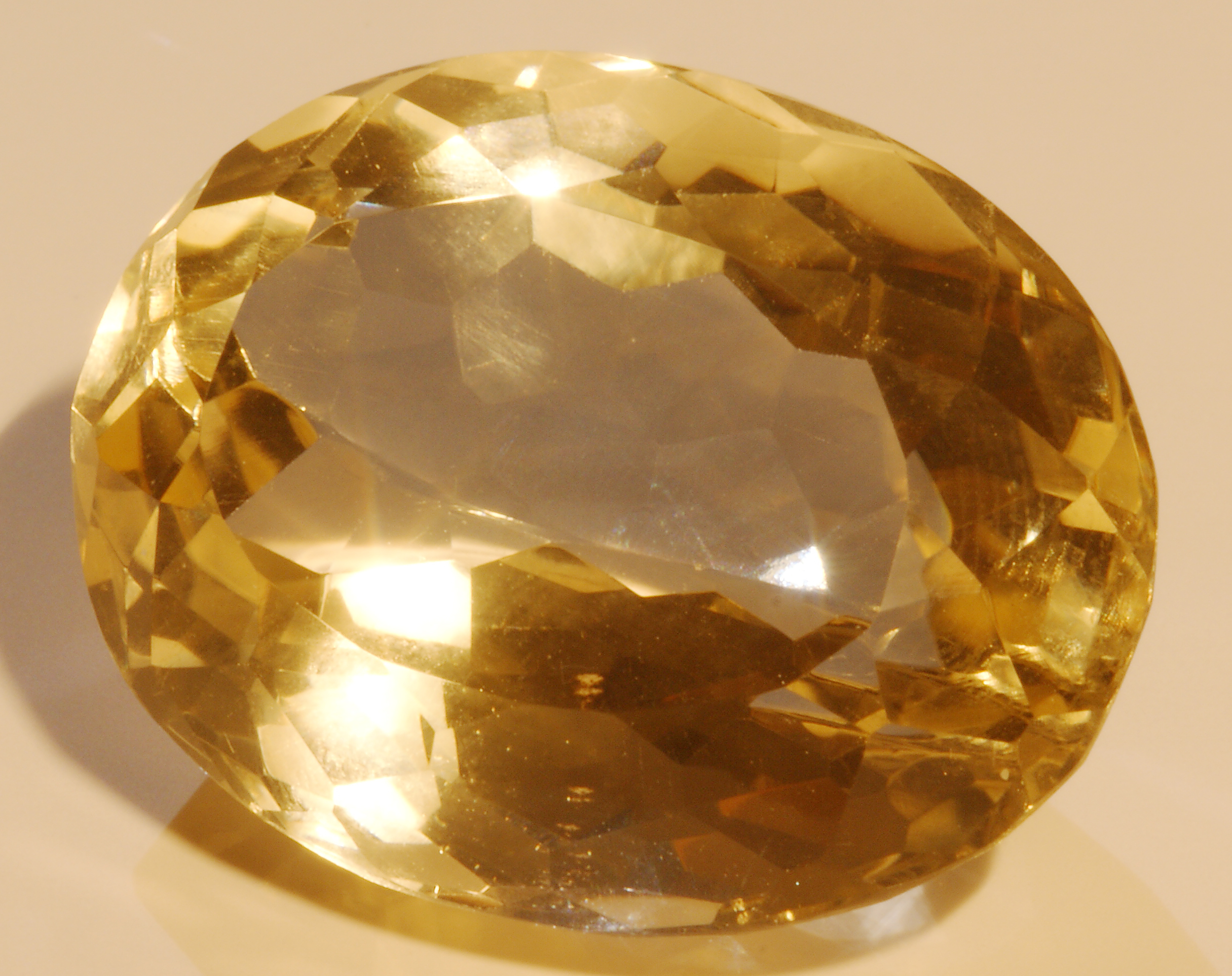
Citrine is the birthstone for November.
November has two birthstones, citrine and topaz.
For November, both gems share a warm golden look. That is part of why they sit so comfortably together on the list, and also why people have mixed them up for a long time.
The name “citrine” is thought to come from the French word citron, meaning lemon, which suits the stone’s sunny color.
What does the citrine birthstone symbolize?
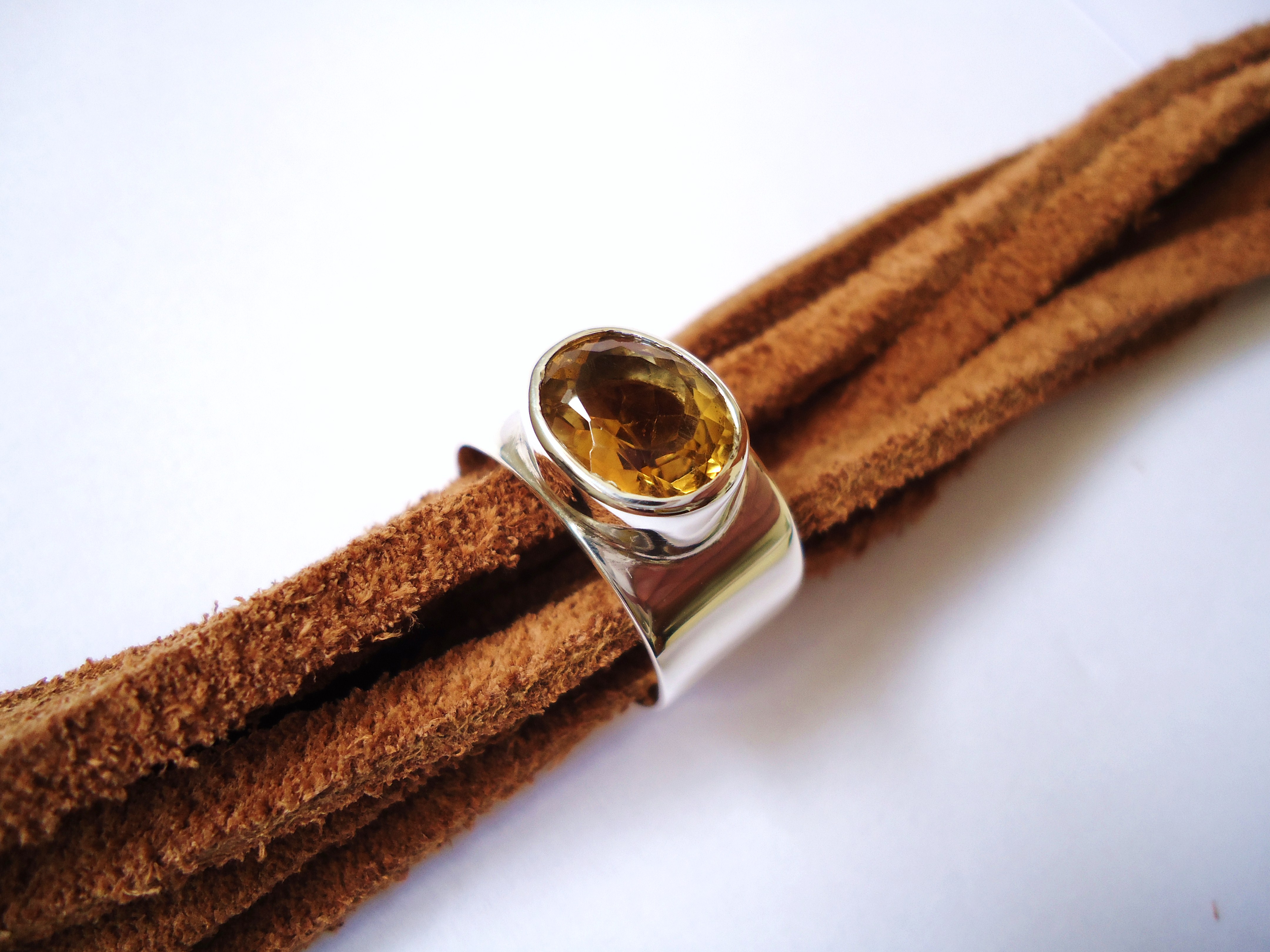
Citrine’s meaning comes from tradition, folklore and modern crystal culture, not from science. Nothing below describes a measurable property of the stone. These are beliefs people have attached to citrine over time, and they are presented here as beliefs.
Joy and warmth
In crystal tradition, citrine stands for joy and optimism. Its color is the obvious link: a stone that looks like sunlight or honey has come to represent cheerfulness and warmth. Many people choose a citrine birthstone as a reminder of brightness in late autumn, when the days get shorter. That meaning is personal and symbolic. Citrine has no proven effect on mood.
Prosperity and abundance
Modern crystal tradition often links citrine with prosperity, success and abundance. Some practitioners call it the “merchant’s stone,” and in that tradition it is kept in a shop or cash drawer as a symbol of good fortune. This is a folk custom, not a financial strategy, and there is no evidence that citrine affects income or business results.
Calm and soothed tempers
Historically, citrine was believed to soothe tempers and calm the person wearing it. That belief tells us how earlier cultures valued the stone. It does not mean citrine has any real calming or emotional effect.
A personal meaning
For many people, the meaning is simpler still: it marks a November birthday, a 13th anniversary, or a person they love.
Citrine vs topaz: why November has two birthstones
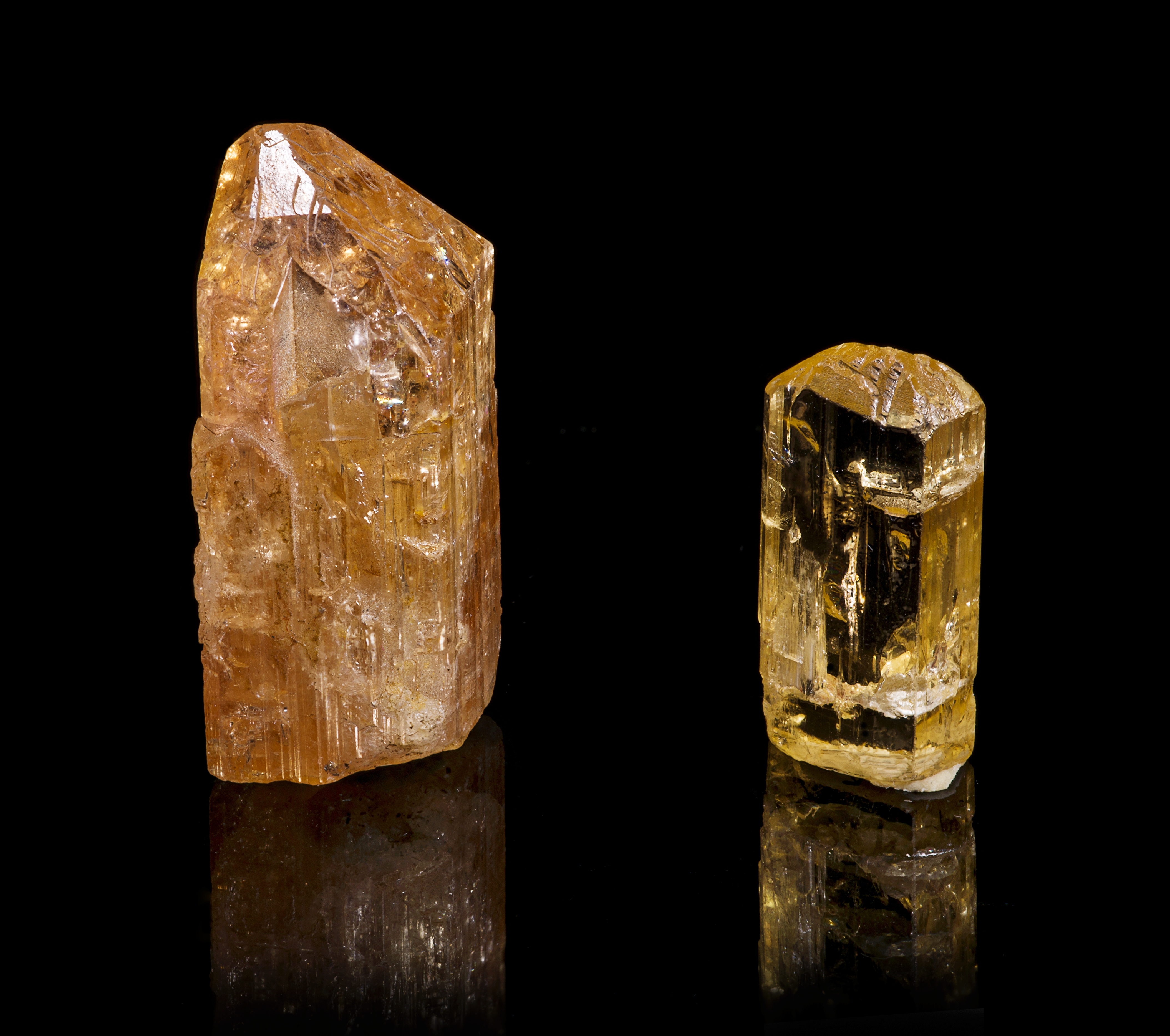
In their yellow-to-orange varieties, citrine and topaz can look almost the same: clear, golden gems that catch warm light. They are completely different minerals, though.
Citrine is a variety of quartz. Quartz is silicon dioxide, SiO₂. Topaz is a separate mineral species. Topaz is an aluminium silicate in which fluorine and hydroxyl substitute for each other, with the formula Al₂SiO₄(F,OH)₂.
A long history of confusion
Because they look so similar, citrine and topaz have often been confused. Before modern gemology, citrine’s tawny colour caused it to be confused with topaz.
If a seller calls a stone topaz, ask which mineral it actually is.
How the two compare
| Citrine | Topaz | |
|---|---|---|
| Mineral | Variety of quartz | Its own mineral species |
| Chemistry | Silicon dioxide, SiO₂ | Aluminium silicate with fluorine and hydroxyl, Al₂SiO₄(F,OH)₂ |
| Hardness (Mohs) | 7 | 8 |
| Color range | Pale yellow to brownish orange | Colorless, yellow, orange, brown, pink, red, purple and blue |
| Care notes | Warm soapy water is safe. Steam cleaning is not recommended | Warm soapy water is safe. Avoid steam and ultrasonic cleaners. Topaz has perfect cleavage and can split if struck hard |
| What to ask about treatment | “Is this natural citrine or heat-treated amethyst or smoky quartz?” Most citrine on the market is heat-treated | “Has this stone been irradiated or heated?” Most blue topaz is produced by irradiation and heating of colorless topaz; coating is a separate treatment used for stones such as Mystic Topaz |
Same golden look, different minerals
The practical differences come down to structure. Topaz is harder than citrine, but topaz has perfect cleavage, so a sharp knock in the wrong direction can split it. That does not make citrine damage-proof: hardness measures scratch resistance, and high heat can crack citrine. With Mohs 7 hardness and good toughness, citrine suits everyday jewellery when protected from hard scratches, sharp knocks and high heat.
Topaz is also noticeably denser than quartz. A gemologist can use this to tell the two apart. You can’t reliably tell them apart by eye, so ask for a lab report or a gemologist’s opinion if the identity matters to you.
Is citrine natural or heat-treated?
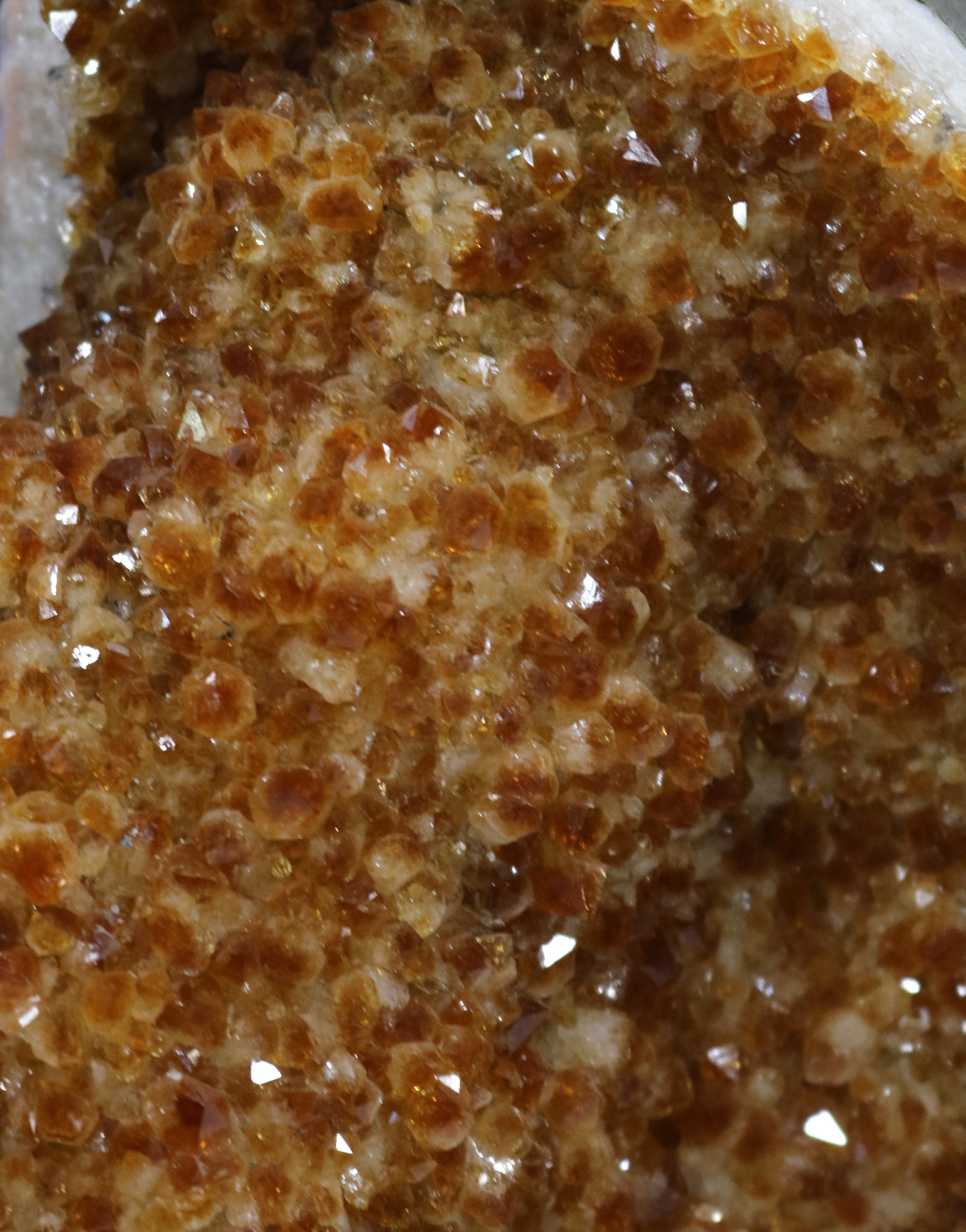
Most citrine you’ll find in shops today started out as amethyst, and some as smoky quartz. Naturally yellow citrine is rare. Most citrine on the market is produced by heat-treating amethyst. Heating turns pale purple amethyst into the golden and orange shades people know as citrine, and heating smoky quartz can also produce citrine colour.
Heat treatment doesn’t mean the stone is fake. A heated citrine is still real quartz. The heat only changes its colour. Citrine and amethyst are both varieties of quartz. Heating is a common, accepted practice in the gem trade. It’s not the same as glass or plastic imitation. One example: big hollow amethyst geodes are often heated so they turn into large citrine “cathedrals.”
Colour alone can’t tell you whether a citrine is natural or heated. If it matters to you, ask the seller directly: “Has this stone been treated?” A good seller will give you a clear answer, and they should be willing to put it in writing. A seller’s statement is not the same as independent identification: for a valuable stone, ask for a laboratory report.
Citrine colors and history
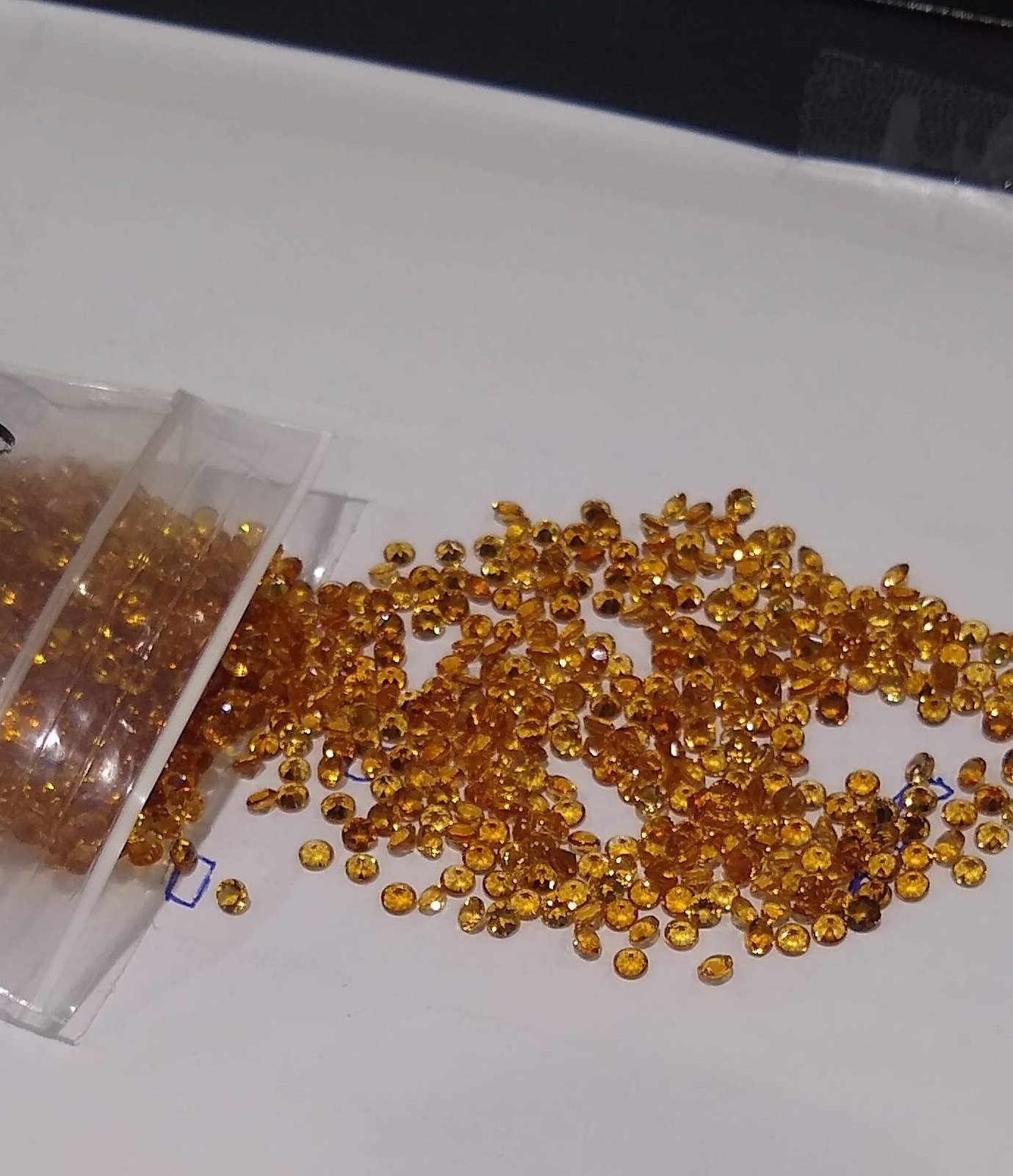
Citrine’s colour ranges from pale yellow to brownish orange. GIA attributes citrine’s yellow-to-orange colour to a trace of iron in its structure. For heated amethyst, the colour comes from finely distributed iron minerals. Today, the most popular shade is a deep, earthy brownish or reddish orange.
The name “citrine” is believed to come from citron, the French word for lemon. For much of its history, citrine was confused with topaz because the two can look alike in warm yellow shades. Citrine has been reported in Roman jewelry, and Bolivia’s Anahí mine is an important source of natural, unheated citrine; the mine also produces ametrine, where amethyst and citrine occur in the same crystal. Today, both stones are November birthstones.
Citrine was popular in colourful Scottish jewellery of the Victorian era. Citrine is also the traditional gem for the 13th wedding anniversary.
How to care for citrine birthstone jewelry
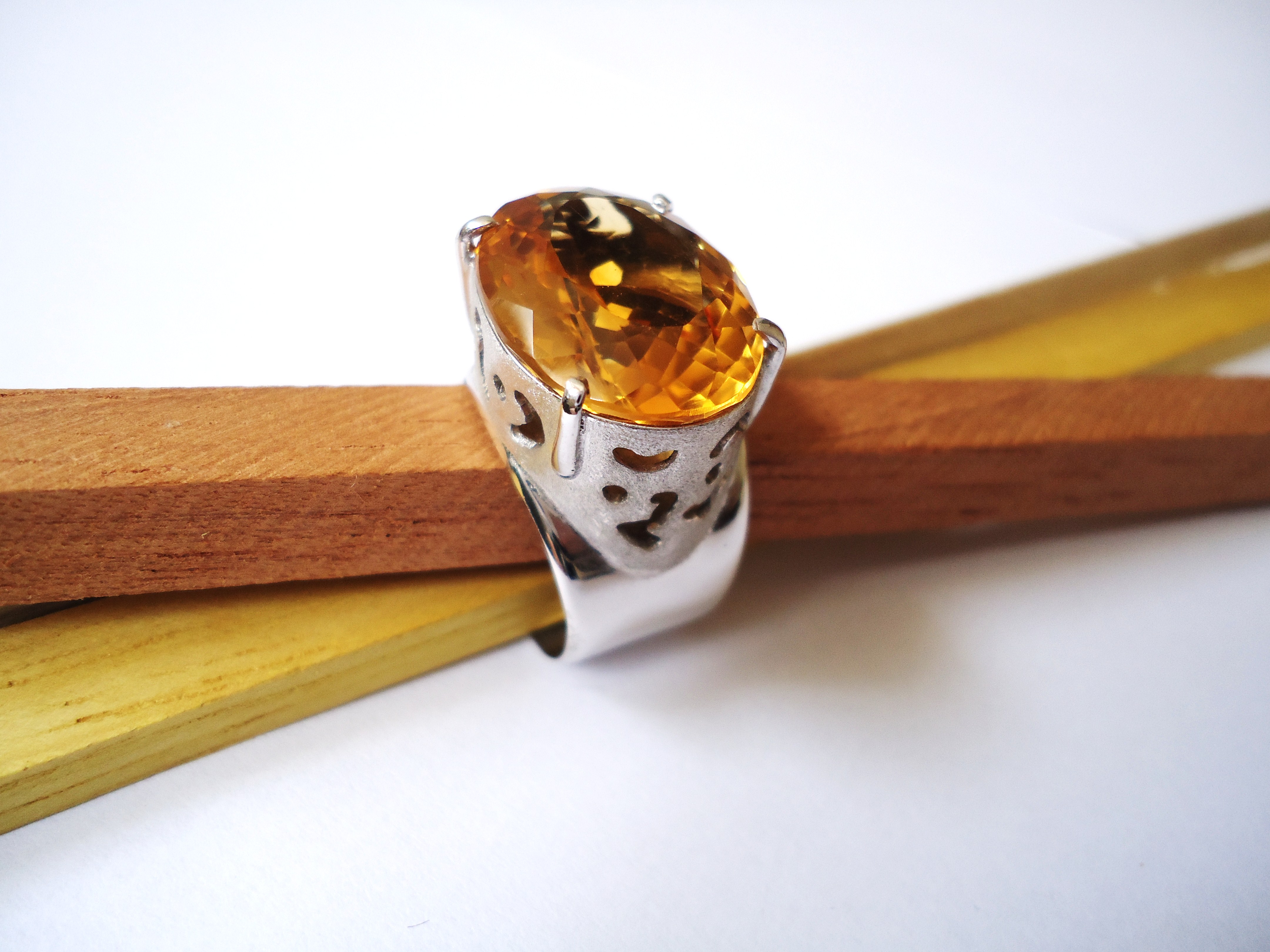
Citrine is straightforward to look after, with a few precautions. It rates 7 on the Mohs hardness scale, like other quartz. That makes it a good choice for jewellery you wear every day, provided you protect it from hard scratches, knocks and high heat.
To clean it, use warm, soapy water and a soft cloth. Rinse it well and dry it gently. If you’re unsure which stones in your collection can get wet, see our guide to which crystals cannot go in water.
A few more care tips:
- Ultrasonic cleaners: only use one if you know the stone has not been dyed or fracture-filled. If you don’t know the stone’s treatment history, don’t risk it — warm soapy water is the safe default.
- Steam cleaning isn’t recommended, because citrine shouldn’t be exposed to heat.
- Strong light: natural citrine can slowly pale in UV light. As a precaution, avoid leaving it in prolonged intense light.
Keep citrine in its own pouch or a lined jewellery box compartment, so other jewellery does not scratch it.
Buying a citrine birthstone piece: checklist
If you’re new to crystals and gemstones, our crystals for beginners guide covers the basics. For citrine in particular, keep these points in mind:
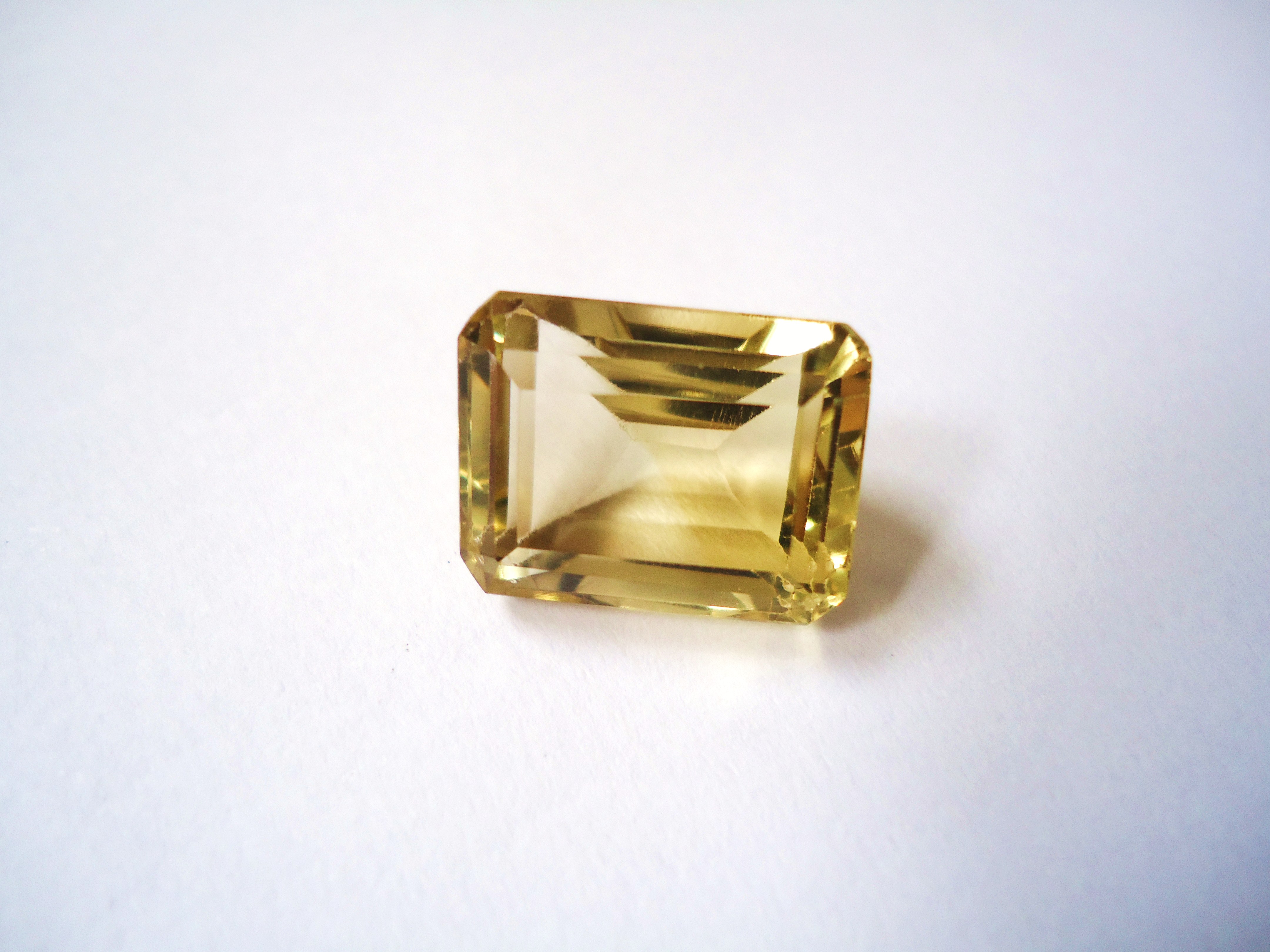
- Set realistic colour expectations. Vivid yellows, reddish oranges and earth tones are popular with consumers. Popular shades and fine grades are different questions: a popular earthy orange is not automatically a fine grade. Pale stones and very brown stones are common too. They’re simply valued differently.
- Ask about treatment. Ask the seller whether the stone has been heat-treated, and get the answer in writing. Most citrine is heated amethyst, and that’s normal. The point is to know what you’re buying.
- Check clarity. Citrine is usually “eye-clean,” which means you won’t see inclusions without magnification. Inclusions you can see with the naked eye lower its value.
- Choose a protective setting for daily wear. For rings and bracelets that get knocked around, bezel or other protective settings help shield the stone’s edges. Pendants and earrings take fewer knocks.
- Think about size. Larger citrines stay fairly affordable because the price per carat doesn’t climb steeply as size goes up.
- Consider gifting. Citrine works well as a November birthday gift or a 13th anniversary present. In crystal tradition, citrine is linked with warmth and optimism. That makes it a popular choice for a meaningful gift. Treat this as a cultural belief, not a proven effect — and whether it suits a particular recipient depends on their taste, not on tradition alone.
FAQ
Natural, treated, or lab-grown? Ask the seller whether the stone is natural, heat-treated, or lab-grown, and get the answer in writing. Lab-grown citrine is different from heated natural amethyst, so the three categories are worth keeping apart when you buy.
Citrine is a durable, affordable and warm-toned birthstone. Most of it is heated amethyst, so ask about treatment, clean it gently, and keep it away from heat and harsh light. With that care, a citrine piece can last for many years.
Sources
- GIA, November Birthstones (topaz and citrine): birthstone identity, history, care and anniversary associations.
- GIA, Citrine: mineral facts, colour, treatments, quality factors and synthetics overview.
- Mindat, Citrine (ID 1054) and Topaz (ID 3996): mineral formulas, hardness, specific gravity and colour-cause notes.
- American Gem Society, The Folklore and History of Citrine: traditional “merchant’s stone” nickname and folklore associations (presented in this article as folklore, not fact).