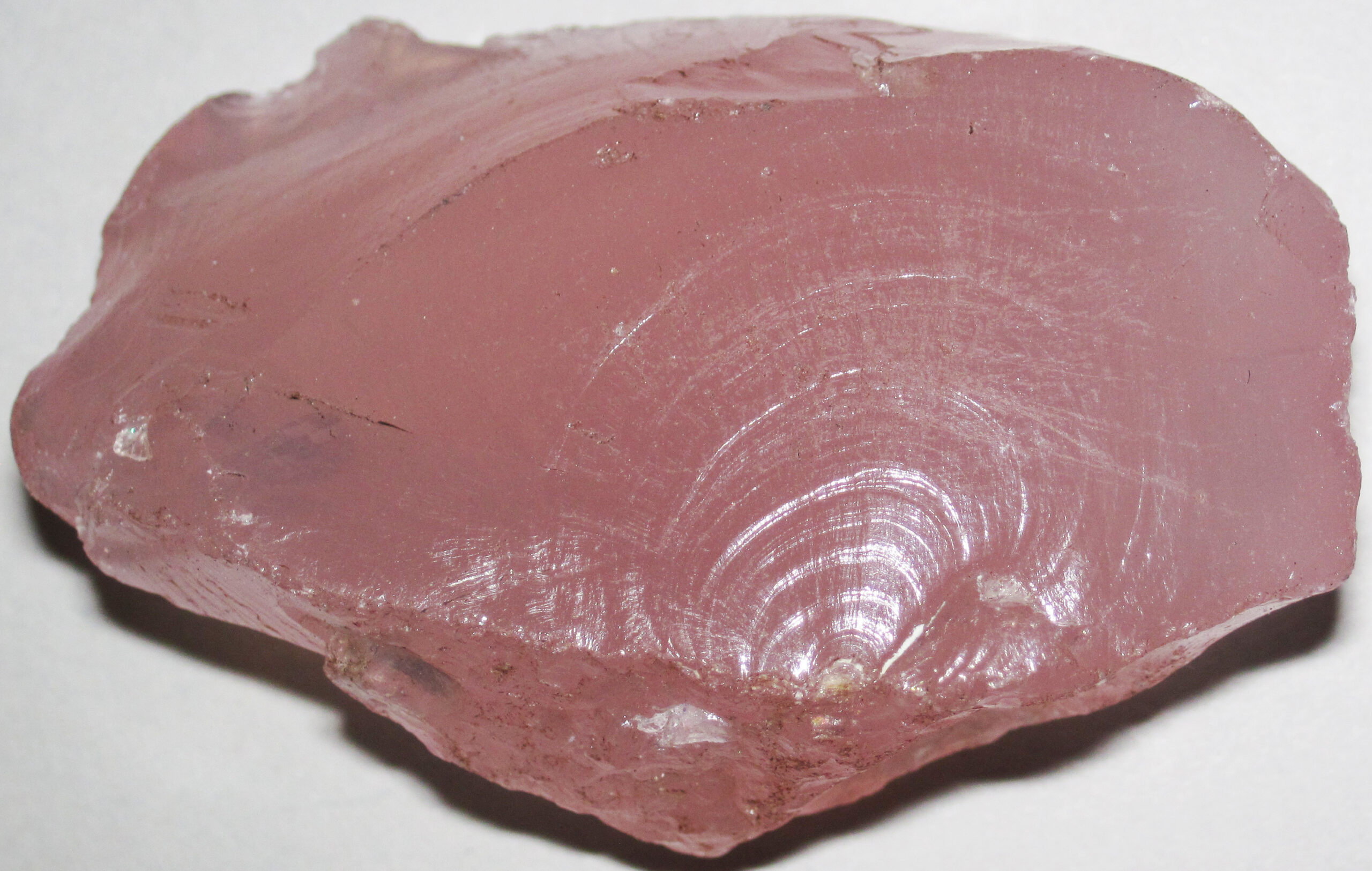
The short answer: To charge rose quartz, wipe it with a soft cloth, leave it on a dry, secure windowsill overnight in moonlight, then hold it for a minute in the morning while you set a simple intention. That's the whole ritual.
Be clear about one thing first: charging is a symbolic personal ritual, not something the mineral needs. Charging sits outside what science has demonstrated: the best-known controlled test of crystal healing (French et al., 2001, double-blind, 80 participants) found no difference between real and fake quartz crystals, with reported effects consistent with placebo
Three facts worth knowing before you start:
- Rose quartz has a Mohs hardness of 7
- Warm, soapy water is always a safe method for cleaning rose quartz
- Ultrasonic and steam cleaners should be avoided for rose quartz
Does Rose Quartz Actually Need Charging?
No. Not in any physical sense.
What crystal practice says. In crystal practice, "charging" refers to restoring or amplifying a stone's energy, or programming it with an intention, after use or cleansing In contemporary crystal practice, rose quartz is associated with love, self-compassion, and emotional gentleness
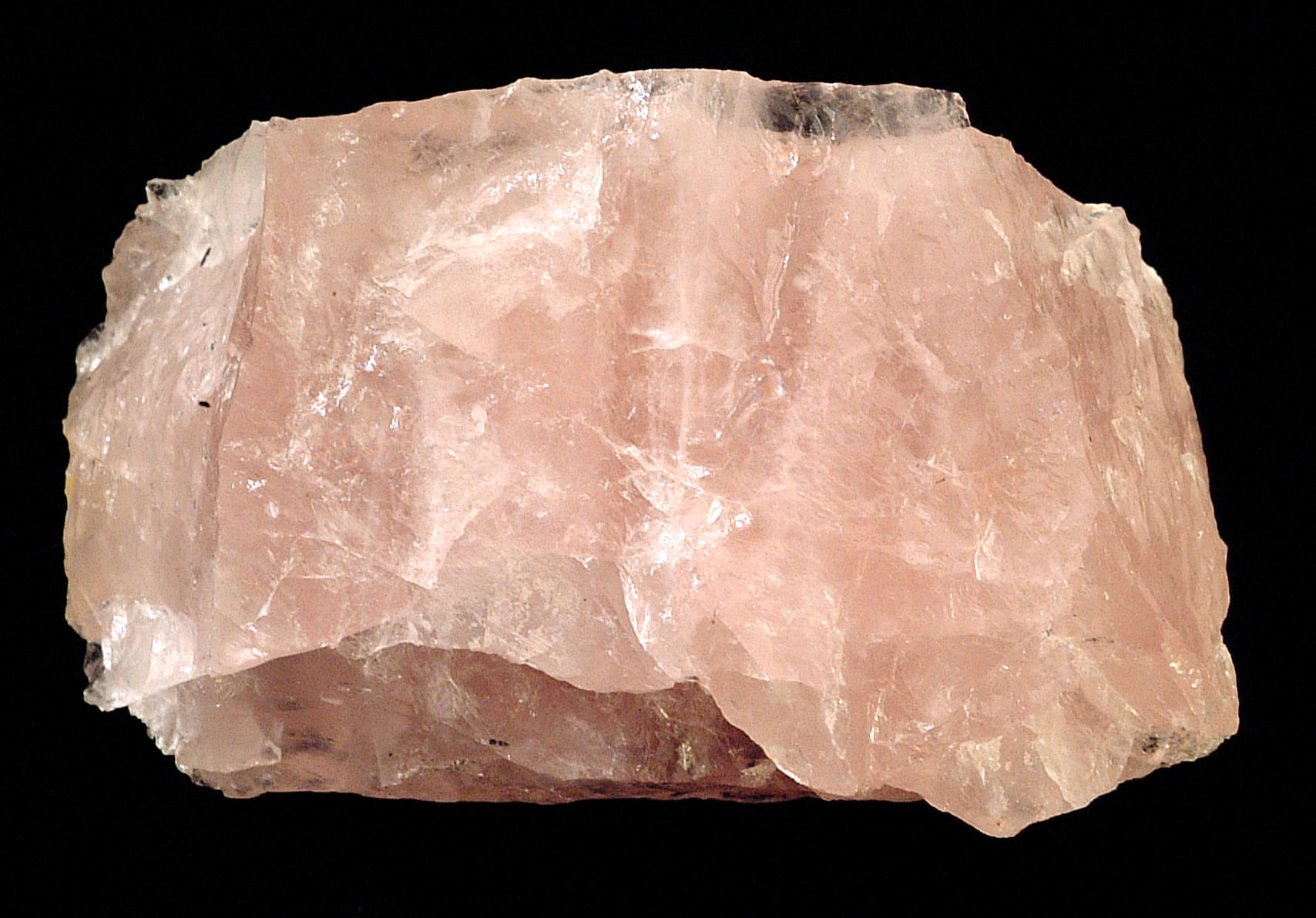
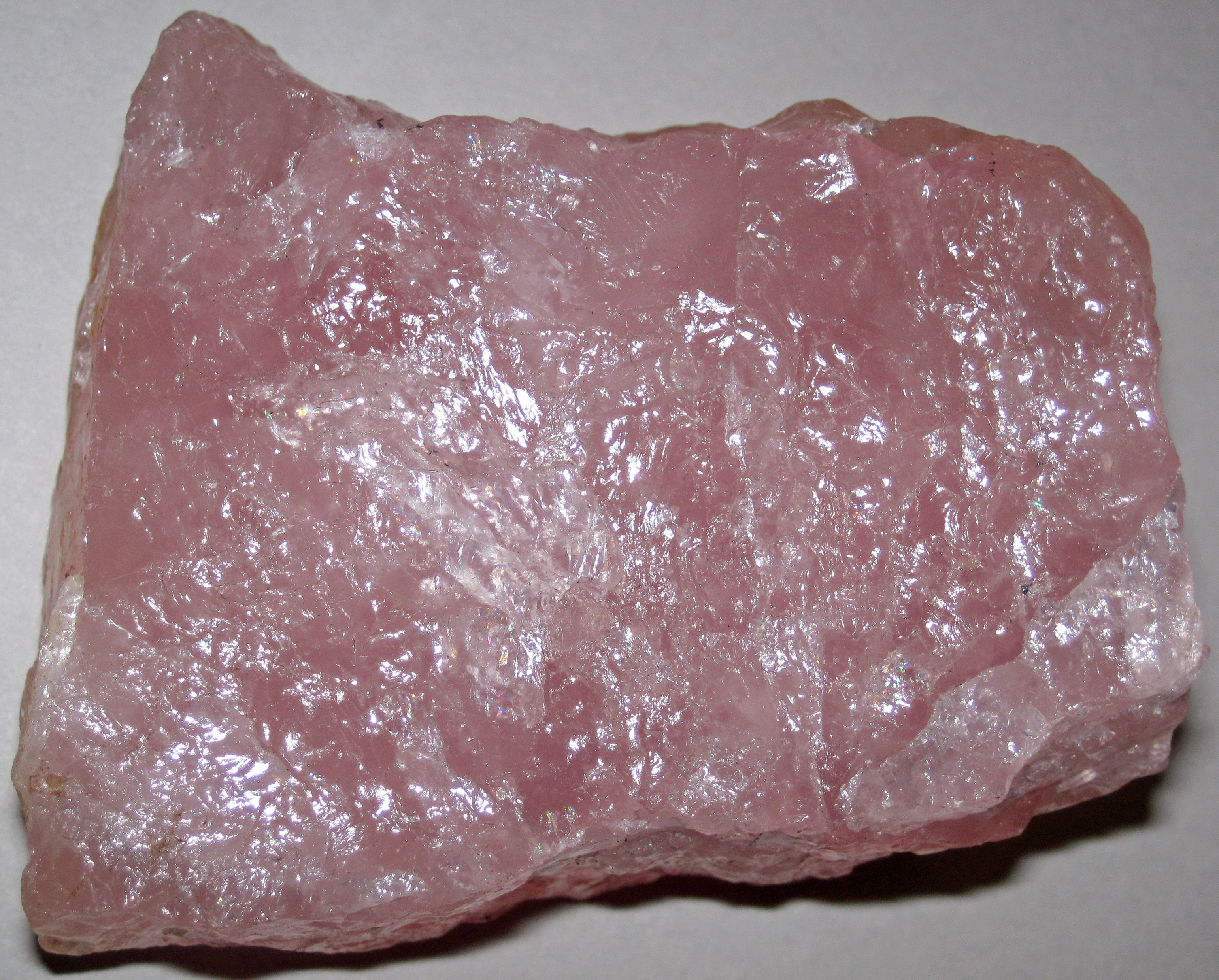
What mineralogy says. Rose quartz is a pink variety of quartz, which is silicon dioxide. Rose quartz is a pink variety of quartz The stone doesn't run down and doesn't hold a charge from moonlight, sound, or other stones. A piece of rose quartz on your nightstand is physically the same on Friday as it was on Monday, apart from ordinary dust and skin oils.
Why people still do it. The ritual is useful even though the stone doesn't need it. Taking a quiet minute to hold something, look at it, and decide what you want to focus on is a small act of attention. Many people find that a regular ritual helps them pause, reflect, and take better care of a piece they love. That's a fair reason to do it, as long as it stays honest about what's happening.
Serenlith's view: Treat charging as a mindfulness ritual you choose, not maintenance your stone requires. Pick methods that are kind to the stone, and skip anything that risks the color, the polish, or the setting.
Charging vs. Cleansing: Not the Same Thing

People use the two words loosely, but they mean different things:
- Cleansing means *removing* something. That can be physical cleaning (dust, lotion, skin oils) or, in practitioner belief, a ritual "reset."
- Charging means *adding* something. In crystal practice, charging is described as assigning intention or energy to a stone, often after it has been cleansed
This guide covers charging only. For cleaning and ritual cleansing, see our dedicated guide: How to Cleanse Rose Quartz. One terminology note: some practitioners use sound or selenite for *both* cleansing and charging — the distinction above is Serenlith's working definition for this guide.
Method 1: How Do You Charge Rose Quartz with Moonlight?
This is the gentlest default and the one Serenlith recommends for beginners.
Step by step:
Wipe the stone. Use a soft, dry or slightly damp cloth to remove fingerprints and dust.
Choose a dry, secure spot. A windowsill works well if the stone can't roll off and won't pick up condensation. A folded cloth underneath helps.
Leave it overnight. The full moon is the traditional choice, but any night works.
Set an intention in the morning. Pick the stone up, hold it for a moment, and name one thing you want to focus on, such as "patience with myself today."
Move it before strong sun arrives. East-facing sills can get bright morning light quickly.
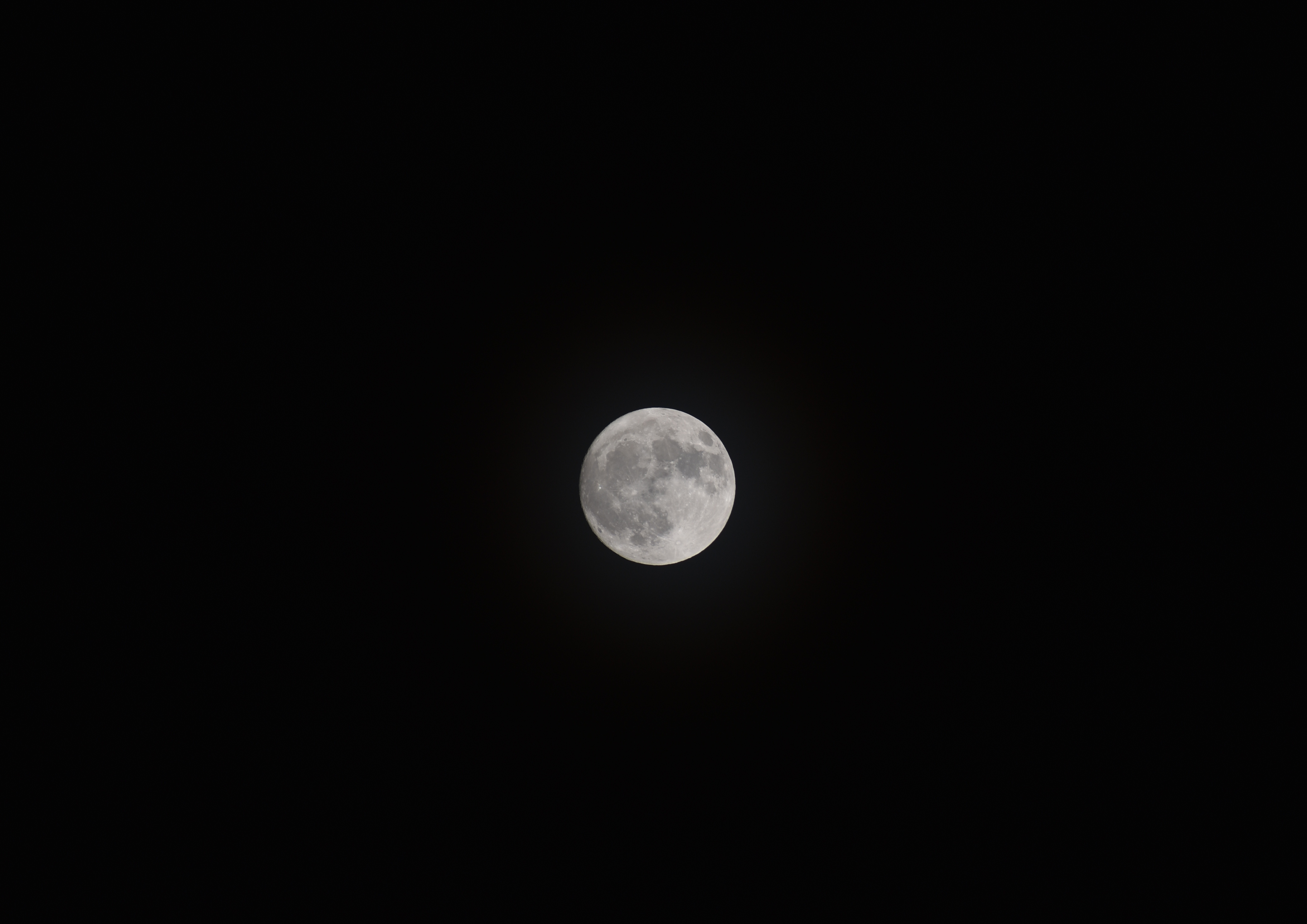
(a) What practitioners customarily do: In crystal practice, practitioners commonly charge stones under the full moon, often leaving them out overnight Some also use new moons or any clear night. The idea that a full moon is "required" is a matter of custom, not rule.
(b) What mineralogy says: Moonlight is sunlight reflected off the moon, and it's far dimmer than direct sun. Moonlight is reflected sunlight and is many thousands of times less intense than direct sunlight Under ordinary moonlight, any warming of the stone is negligible. A night on the windowsill won't charge the stone in any physical sense — but the windowsill itself isn't risk-free. The real hazards are mechanical: a fall onto tile, or moisture collecting under the stone.
(c) What Serenlith recommends and why: Moonlight is the default because it asks nothing of the stone — no heat, no water, no chemicals — and needs no tools. The setup still deserves care: choose a secure sill, since drops and condensation are the real risks. The intention step in the morning is what turns it from "leaving a rock outside" into a ritual.
Method 2: Can You Charge Rose Quartz Just by Holding It?
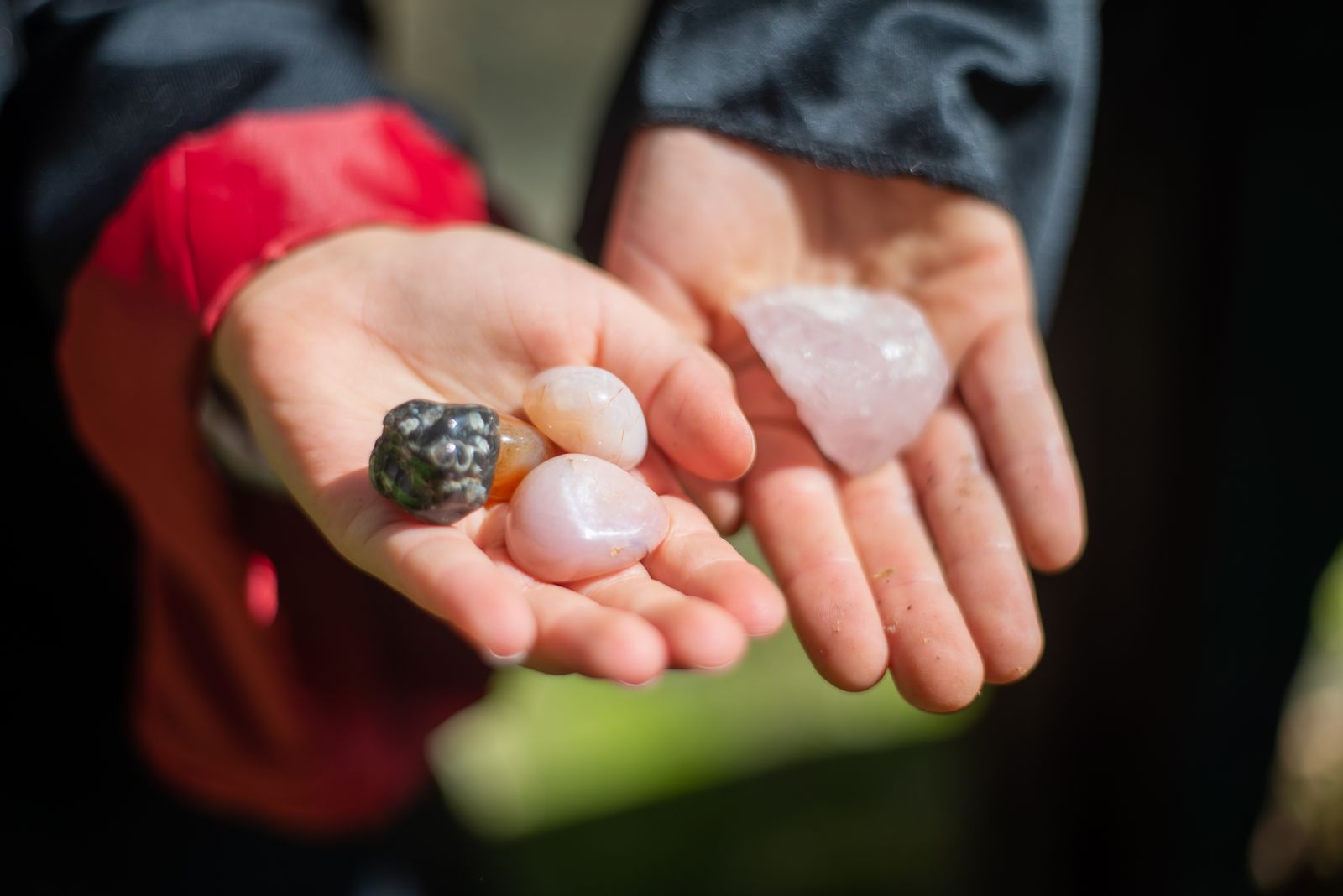
Yes. In practice, this may be the most useful method, because it's really a short meditation.
How to do it:
- Sit somewhere quiet and hold the stone in one or both hands.
- Breathe slowly for 2 to 5 minutes.
- Pick one focus, such as calm, self-compassion, or kindness toward someone, and come back to it whenever your mind drifts.
- Finish by saying your intention quietly, or writing it down.
(a) What practitioners customarily do: In crystal practice, practitioners report "programming" a crystal by holding it and stating or visualizing an intention
(b) What mineralogy says: Holding the stone doesn't change it. Rose quartz doesn't record thoughts or intentions. Clean, dry hands pose no risk to it, though skin oils can dull the surface a little over time. An occasional wash in warm, soapy water takes care of that. Warm, soapy water is always a safe method for cleaning rose quartz
(c) What Serenlith recommends and why: This is a mindfulness practice, and it's labeled that way on purpose. It isn't a treatment for stress, anxiety, or any health condition. It's a few quiet minutes with an object that means something to you. It also pairs well with Method 1 as the morning step.
Method 3: Does Selenite Charge Rose Quartz?
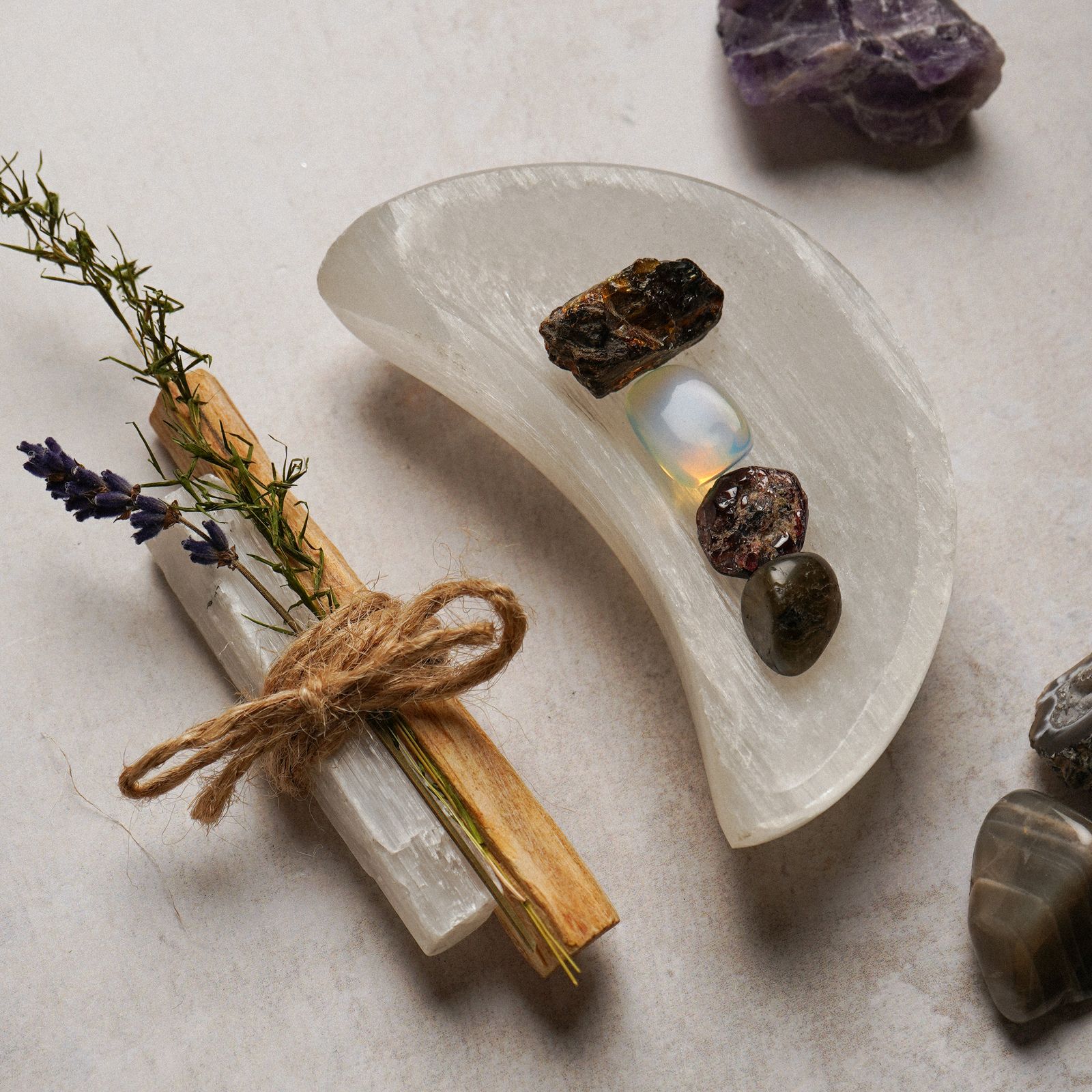
Not in any measurable way. But it's a popular symbolic method, so here's the honest version.
How it's done: Place the rose quartz beside or on a selenite slab or bowl for a few hours, or overnight.
(a) What practitioners customarily do: In crystal practice, selenite is believed to cleanse and charge other stones placed on or near it This is a belief, not a demonstrated transfer of energy.
(b) What mineralogy says: Selenite is a crystalline form of gypsum, which is much softer than quartz. Selenite is a variety of gypsum with a Mohs hardness of about 2 Clean, pure selenite (Mohs ~2) is far softer than rose quartz (Mohs 7), so the plate itself won't scratch the stone — but wipe dust or grit off the plate first, since hard particles trapped underneath can. Dragging the stone across the slab can scratch the *selenite* instead. Gypsum is slightly soluble in water So keep the slab dry, and never set damp stones on it.
Serenlith's take: If a selenite plate is part of your display or routine, it's a low-risk resting place for your stones. Set the rose quartz down gently instead of sliding it — and don't treat the slab as a power source.
Method 4: Can You Charge Rose Quartz with Sound?
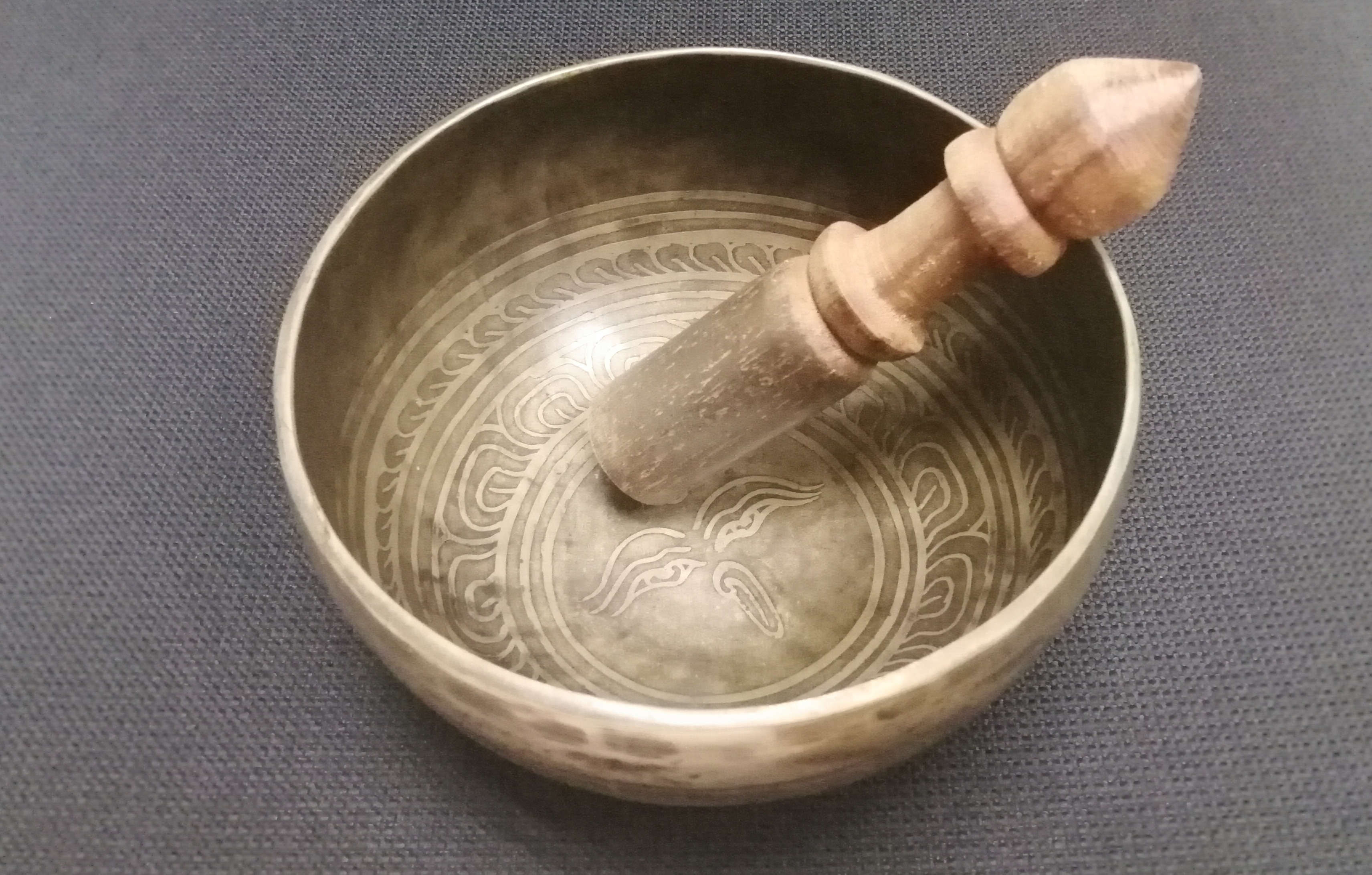
Some people use a singing bowl, chime, or small bell as a cue for the ritual.
How it's done: Hold the stone, or set it nearby, and ring the bowl or bell for 1 to 3 minutes. Let the sound fade before you set your intention.
(a) What practitioners customarily do: In crystal practice, practitioners report using singing bowls, tuning forks, or bells near stones as a cleansing or charging cue This is reported practice only.
(b) What mineralogy says: Ordinary sound from a bowl or bell doesn't change rose quartz. The only physical risk is setting a loose stone *inside* a metal bowl while it's being struck, where it can rattle and chip.
Serenlith's take: Sound works best as a signal to yourself that the ritual has started. Keep the stone next to the bowl, not in it.
How Do the 4 Methods Compare?
Times below are customary ritual choices reported in crystal-practice guides, not verified requirements — there is no objectively correct duration.
| Method | Time needed | Effort | Risk to stone |
|---|---|---|---|
| Moonlight | Overnight, in crystal practice | Low: place and retrieve | Low (Serenlith's assessment) GIA describes rose quartz as durable (Mohs 7) and generally stable when exposed to light and heat — the remaining risks are handling ones (drops, moisture), which is our judgment, not GIA's |
| Holding / intention | A few minutes, in crystal practice | Low: quiet focus | Minimal; warm, soapy water safely removes skin oils |
| Selenite | A few hours to overnight, in crystal practice | Low: requires a slab | Low for rose quartz; the softer selenite is the stone at risk |
| Sound | About 1–3 minutes, as practitioners report | Medium: requires a bowl or bell | Low if kept beside the bowl, not inside it (Serenlith handling guidance) |
What Should You Skip When Charging Rose Quartz?
A ritual shouldn't cost you the stone, the polish, or the setting.
Is sunlight safe for rose quartz?
Sun charging is common advice. Serenlith suggests skipping it anyway, but the evidence needs to be described accurately.
GIA states that rose quartz is generally stable when exposed to light and heat That covers the common massive rose quartz used in virtually all jewelry. GIA separately notes that the much rarer transparent pink crystalline quartz from some deposits will fade when exposed to natural light. Material from some transparent pink crystalline quartz deposits will fade when exposed to natural light Rose quartz is occasionally treated with radiation to intensify its color, so when buying, ask whether the piece has been treated. GIA notes that treated colored gems can be negatively affected by heat, solvents, steam, and ultrasonic cleaners
Serenlith's recommendation: Skip long sunbathing sessions. For the symbolic purpose of the ritual, moonlight serves the same role — with negligible heat and UV, and nothing to wonder about for color. Jewelry metals, cords, and adhesives don't benefit from hours of hot sun either.
Does rose quartz need a salt-water soak?
No. Warm, soapy water is always a safe method for cleaning rose quartz A salt soak adds nothing to charging. Jewelry care guides note that salt water can leave residue and may accelerate corrosion or tarnish on some jewelry metals; the risk depends on the metal and setting For rose quartz set in jewelry, a salt soak is an unnecessary risk. See our water-safety guide for the full breakdown.
What about steam or ultrasonic cleaners?
Skip both. Cleaning rose quartz with ultrasonic and steam cleaners should be avoided This is GIA guidance, not a ritual preference.
What Do Practitioners Report About Moonlight Rituals?
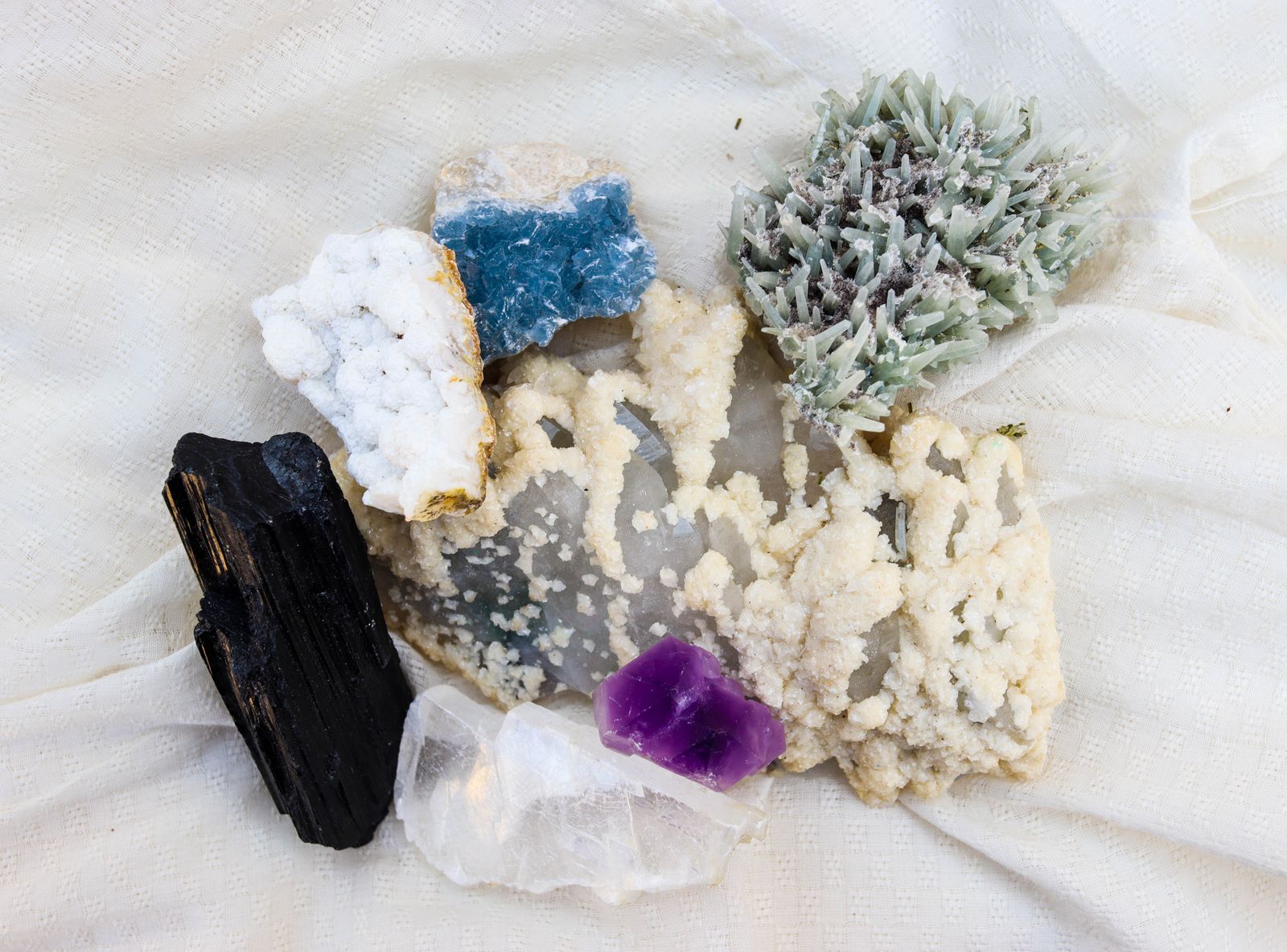
This section reflects community experience, not fact. Many crystal-practice guides describe moonlight charging as the go-to method because it is easy and gentle
Beginner pitfalls worth knowing — described plainly, not quoted:
- Sun, then worry. The most common beginner mistake is leaving a stone in harsh sun and then wondering about the color. Crystal-practice guides commonly caution against leaving pink and purple stones in harsh sun If you want the ritual without the question mark, use moonlight.
- Forgetting it outside. Balconies and gardens bring dew, rain, and pets into the picture. A windowsill is simpler — and easier to remember in the morning.
- Waiting for the perfect moon. Crystal-practice guides present the full moon as the traditional choice for charging rituals Traditional, not required. A regular rhythm beats a perfect moon.
- Skipping the morning step. Serenlith's take: the overnight placement is logistics; the minute of intention in the morning is the part of the ritual that asks something of you.
A One-Minute Decision Rule
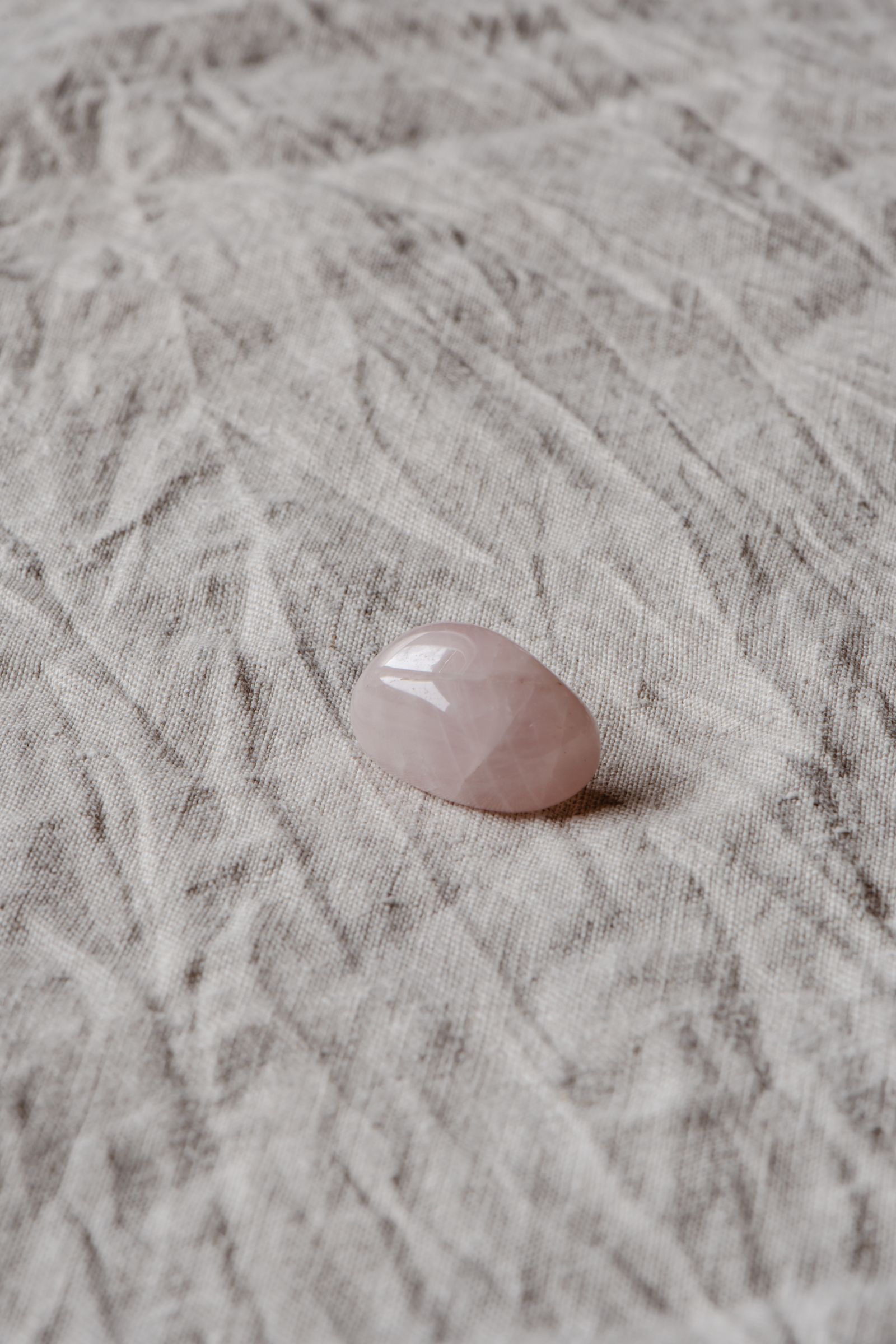
- Want the ritual? Windowsill overnight, then a minute of intention in the morning.
- Want a clean stone? For loose stones: mild soap, warm water, and a soft cloth. Warm, soapy water is always a safe method for cleaning rose quartz For set jewelry, check the setting materials first — glued components, cords, and porous accents need different care.
- Want both? Clean it first, then do the moonlight ritual.
How often should you charge rose quartz?
There's no physical schedule, because the stone doesn't run down. In crystal practice, many practitioners charge stones monthly, often around the full moon Choose whatever rhythm you'll actually keep.
Can you charge rose quartz jewelry the same way?
Yes — with one check first. Moonlight and holding involve no water, heat, or chemicals, so they are the gentlest options for the stone. But safe for the stone is not the same as safe for the piece: check for loose prongs, glued components, and fragile cords or elastic, which carry their own mechanical risks. When in doubt about cleaning, ask a jeweler.
Will charging change how rose quartz looks?
No. Moonlight, holding, selenite, and sound don't change the stone's color, clarity, or hardness.
Sources
- GIA: Rose Quartz Care and Cleaning — https://www.gia.edu/rose-quartz-care-cleaning
- GIA: Rose Quartz (encyclopedia) — https://www.gia.edu/rose-quartz
- GIA: Tips on Caring for Jewelry — https://www.gia.edu/gia-news-research-tips-caring-jewelry
- Mindat: Gypsum (min-1784, incl. selenite variety data) — https://www.mindat.org/min-1784.html
- Sky & Telescope: How bright is the Moon, exactly? — https://skyandtelescope.org/astronomy-news/how-bright-moon-exactly/
- Crystal Vaults: Full Moon Ritual Crystals Calendar — https://www.crystalvaults.com/blog/full-moon-ritual-crystals-calendar/
- Crystal Vaults: Rose Quartz encyclopedia — https://www.crystalvaults.com/crystal-encyclopedia/rose-quartz/
- HealingCrystals: Programming/charging newsletters — https://www.healingcrystals.com/Healing_Crystals_January_2022_Newsletter_Articles_18227.html and https://www.healingcrystals.com/Healing_Crystals_November_2015_Newsletter_Articles_14915.html
- Science-Based Medicine: Crystal healing (French et al. 2001 double-blind study) — https://sciencebasedmedicine.org/crystal-healing/