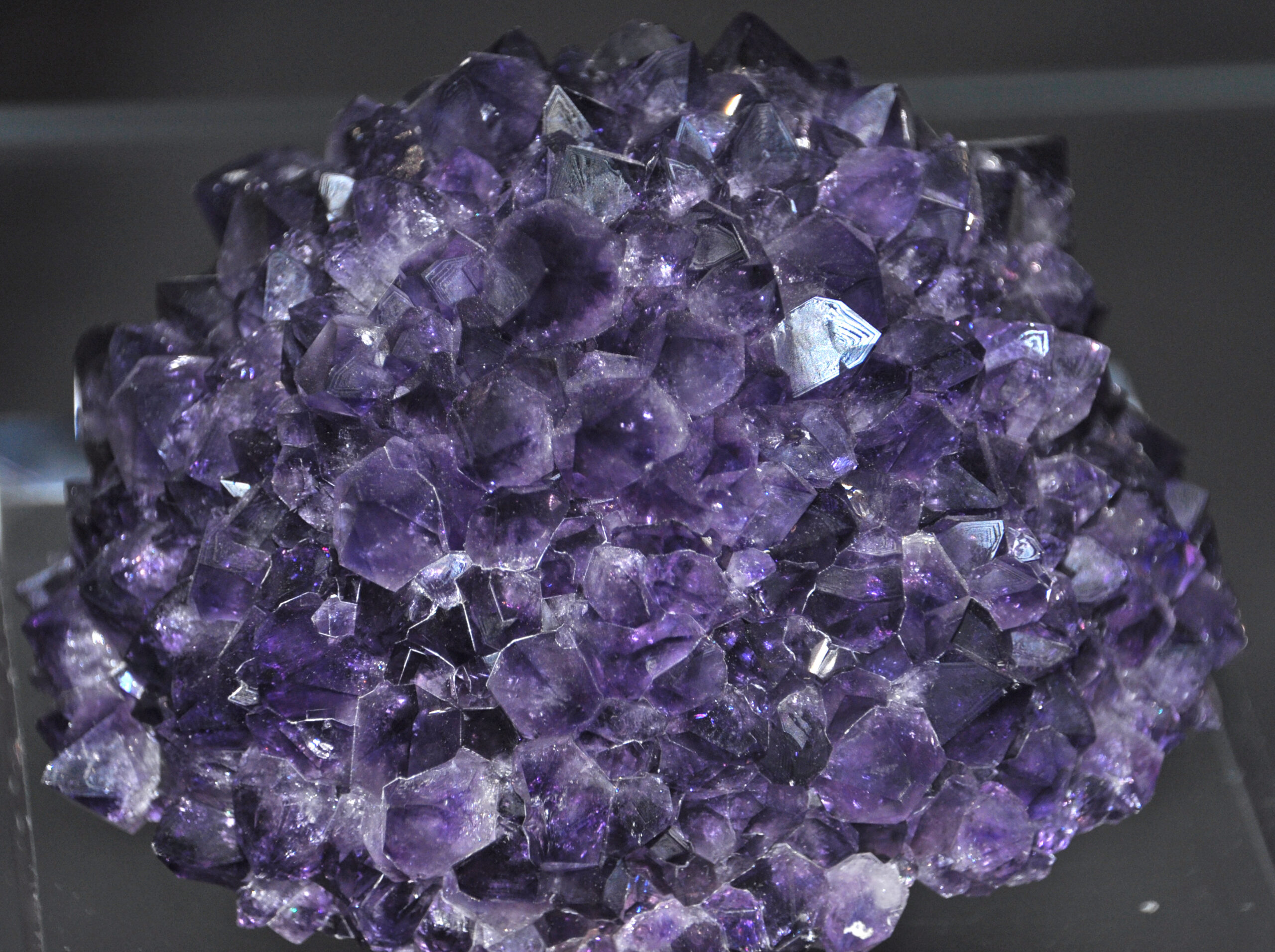
Amethyst is the purple variety of quartz. Its best-documented historical meaning is linked to sobriety and clear judgment; in modern crystal traditions, people also associate it with calm, intuition and protection. Those symbolic meanings are not medical or physical effects of the stone. If you want to understand amethyst well, start by keeping three questions separate: What is the mineral? Where did a meaning come from? What can I safely do with it?
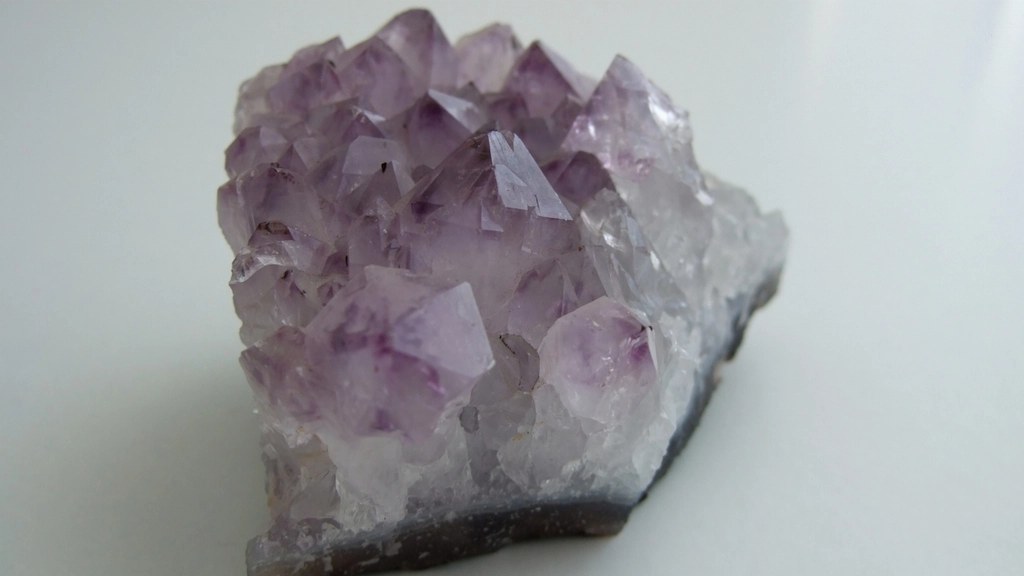
That distinction makes amethyst more interesting, not less. A violet crystal can be a beautiful piece of geology, an object with centuries of cultural history and a personal reminder of something you value. None of those roles requires claiming that quartz changes your brain, treats anxiety or creates an invisible shield.
A real mineral before it is a symbol
Amethyst is crystalline quartz—silicon dioxide (SiO₂)—with colors ranging from pale lilac to saturated reddish purple. The Gemological Institute of America (GIA) identifies it as a quartz variety with a Mohs hardness of 7. In other words, it is reasonably durable for jewelry, but not scratchproof or immune to impacts.
Natural crystals can display angular bands or zones of paler and darker purple. Cut amethyst may look more even because a cutter has chosen the most appealing part of the rough. Color alone does not reveal whether a stone formed in the ground, grew in a laboratory or has been treated. Look at a gem in ordinary daylight before deciding you like it; an extremely dark stone may appear almost black indoors.
These mineral facts matter because some crystal advice confuses color, hardness and folklore. Hardness measures resistance to scratching, not resistance to every kind of damage. A ring can chip after an impact even if its stone is harder than the dust around it. And calling amethyst ‘natural’ says nothing by itself about whether its color has been changed by heat.
For reliable mineral information, compare GIA’s amethyst overview, description and care guide. The latter is particularly useful if you have a mounted stone rather than a loose specimen.
What has amethyst meant over time?
The oldest widely repeated connection starts with the name. The Greek word amethystos relates to being ‘not drunk’, and traditions around the stone claimed it could protect its wearer from intoxication. GIA records that association alongside legends involving Dionysus, the Greek god of wine. The existence of a belief is evidence of cultural history, not evidence that the belief worked.
Over time, amethyst also appeared in religious and royal jewelry. Rather than treating all those uses as one timeless secret, it helps to look at actual objects. The Metropolitan Museum of Art preserves a Byzantine gold necklace dating from the sixth to seventh century that includes amethyst beads. Its catalog tells us the object existed and gives a window into jewelry-making in a particular place and period. It does not tell us that every wearer of amethyst shared one universal spiritual explanation.
The language people use today is another layer. In contemporary crystal practice, amethyst is commonly linked with calm, mental clarity, intuition, emotional balance and protection. Many people choose it as a symbolic object rather than as a scientific intervention. For someone who values a quieter daily routine, it can be a reminder to make room for reflection. For someone who likes family jewelry, it may represent a particular person or anniversary. Neither meaning is a measurable property of silicon dioxide.
A useful way to read amethyst lore is to ask, ‘What kind of claim am I hearing?’ There is a difference between ‘the Greeks associated this gem with sobriety’, ‘a person carries it as a reminder to stay composed’, and ‘the stone prevents intoxication’. Only the first two describe a supported historical tradition or a personal choice. The third claims a medical or physiological effect without evidence.
Three layers of meaning
| Layer | What we can reasonably say | What it does not prove |
|---|---|---|
| Mineralogy | Amethyst is purple quartz with identifiable physical properties. | That its color or hardness produces a spiritual or health effect. |
| Historical symbolism | Greek sobriety lore and centuries of ornamental use are documented. | That everyone in every century assigned amethyst the same meaning. |
| Modern personal meaning | Some people associate amethyst with calm, intuition or protection. | That those associations diagnose, prevent or treat a condition. |
The most useful ‘amethyst meaning’ may be the one you choose deliberately, after learning where the others came from.
Amethyst properties: what is factual and what is traditional?
You will often see lists calling amethyst a ‘healing stone’ with dozens of powers. A more reliable guide starts with specific categories.
Physical properties concern the quartz mineral: crystal structure, hardness, purple coloration, optical appearance and suitability for jewelry. These can be studied and tested. Historical properties are better described as attributed meanings: ancient beliefs about sobriety and later symbolic links to rank or devotion. Modern spiritual properties describe practices and personal interpretations. Terms such as ‘crown chakra’ or ‘protective energy’ belong to spiritual frameworks, not to established gemological measurements.
That distinction allows someone to enjoy a crystal tradition without pretending to have scientific proof that a stone reduces stress or treats insomnia. You can make a small personal ritual around amethyst—setting an intention before work, for example—while recognizing that any meaning comes from your deliberate practice, not an established therapeutic effect of the gem.
Amethyst is also the February birthstone. GIA identifies it as the gem associated with the sixth wedding anniversary. As a gift, the personal story or craftsmanship is usually more helpful than promising that a gemstone will change someone else’s feelings. A note explaining why you chose the color, date or symbol adds meaning without inventing an effect.
Simple ways to use amethyst
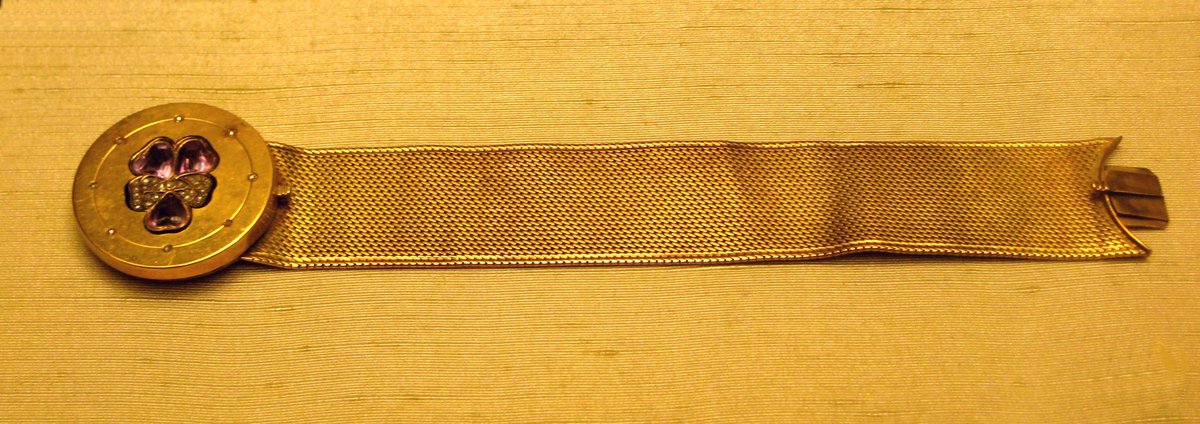
Amethyst works in everyday life because it is attractive and versatile. You can display a geode or cluster on a stable shelf, carry a polished stone in a protective pouch or wear jewelry when its setting suits your activities. Choose the form based on what it actually does for you.
A pendant keeps the stone visible without receiving as many knocks as a frequently worn ring. Earrings can highlight the purple color while usually avoiding the abrasion of constant hand movement. Rings and bracelets are wearable too, but deserve greater care around hard surfaces, exercise and household cleaning. A display specimen can serve as a visual focal point, provided it is kept away from ledges, bright sunlight and unnecessary moisture.
If the meaning of clarity appeals to you, use the stone as a prompt rather than a promise. You might place it next to a notebook, ask yourself what deserves attention today and write one specific action. Someone else may wear an inherited amethyst simply because it carries family memories. Both uses are authentic personal meanings; neither requires claims of invisible forces.
For readers new to stones, browse the existing Crystal Guides and compare different quartz varieties without assuming they are interchangeable in color, symbolism or jewelry care.
How to tell whether amethyst is real
‘Real amethyst’ is an imprecise question. You might mean: Is it quartz rather than glass? Is it naturally mined rather than laboratory-grown? Has it been treated? Those are different questions and they need different levels of evidence.
Natural amethyst is quartz formed by geological processes. Laboratory-grown amethyst is also quartz, with essentially the same chemical and physical properties, but its origin is not natural. An imitation, such as purple glass, is not amethyst even if it looks convincing. A stone may also be genuine natural quartz and still have undergone a color treatment.
Some surface clues can help you decide what to ask a seller. Natural specimens may show zones of darker and lighter purple, or familiar quartz crystal shapes. A piece with suspicious-looking bubbles or paint may deserve additional scrutiny. Yet a missing inclusion does not prove a stone is synthetic, and visible color zoning cannot certify natural origin. GIA notes that distinguishing natural from lab-grown amethyst can require advanced gemological testing. Your eyes are not a laboratory.
Avoid social-media ‘scratch tests’, flame tests or strong chemical experiments. They can damage a stone or its jewelry setting and still fail to answer the question you care about. Testing an object destructively is an especially poor idea if it is sentimental.
Instead, use a short buying checklist:
- Ask the seller whether the stone is natural, lab-grown or imitation and whether any treatment is disclosed.
- Examine its color in different normal lighting, looking for a purple you genuinely enjoy—not a mystical grade.
- Check for loose settings, damaged points, chips, cracks and poor polishing.
- Keep the invoice, treatment statement and any identification documentation.
- For a purchase whose value makes origin important, ask an independent qualified gemologist whether a lab report is appropriate.
GIA warns that retailer labels such as ‘AAA’ are not a standardized quality scale for amethyst. Color is important when gem buyers assess quality, but a marketing label cannot replace a clear description of origin, treatment and workmanship. Learn more in GIA’s amethyst buyer’s guide.
What about color, treatments and value?
Amethyst ranges from delicate lavender to strong reddish purple. Fine faceted gems often command interest when the color is rich, attractive and not too dark to show life in ordinary lighting. Natural color zoning may be visible in rough crystals; a gem cutter often works to make a polished stone appear even in color. Both can be beautiful for different reasons.
Heat treatments are part of real gemstone commerce. According to GIA, some amethyst is heated to lighten a very dark appearance, and some material can turn yellow or orange in a process that produces citrine-like material. A treated natural stone does not automatically become an imitation, but treatment should be described accurately when relevant.
The best stone for you is not necessarily the darkest or the one with the loudest label. Compare shape, visible craftsmanship, appearance in daylight and the honest information a seller gives you. Origin, cut and treatment disclosures matter more than a seller’s promise that one shade is spiritually ‘stronger’ than another.
Can amethyst go in water? How to clean and store it
For ordinary, untreated amethyst, GIA recommends warm soapy water as a safe cleaning method. Use a little mild soap and a soft brush or cloth, rinse gently when appropriate, and dry with a clean, soft cloth. Handle delicate points and jewelry settings carefully. This advice is about short, gentle cleaning, not permission to soak all stones, immerse mixed-mineral jewelry or repeatedly leave specimens in water.
Be more cautious if the stone is dyed, fracture-filled, glued, mounted with another gem, or part of an antique setting. The entire object may be more vulnerable than the quartz alone. Ask a jeweler or conservator about valuable, unknown or treated pieces rather than assuming a water-safe mineral means a water-safe necklace.
Avoid steam cleaning and sudden temperature changes. Amethyst can fracture under thermal shock; prolonged exposure to intense light may fade some stones. Store pieces apart from harder gems and abrasive items. A soft-lined box or individual pouch protects polished surfaces and vulnerable crystal points.
Read Serenlith’s dedicated guide, Can Amethyst Go in Water?, for more detailed distinctions between cleaning a single crystal and soaking jewelry.
The simplest care rule is unglamorous and effective: clean briefly, avoid heat, cushion against knocks and keep anything valuable out of prolonged bright light.
Choosing a meaning worth keeping
If you encounter a list saying amethyst means protection, wisdom, tranquility, faith, confidence, healing, love, luck and dozens of other things, you do not have to adopt all of them. Some associations come from recorded history; some from more recent crystal culture; some are personal descriptions.
Try choosing one reason for keeping your stone and naming it accurately. Perhaps the documented sobriety story reminds you of restraint and careful judgment. Perhaps the purple reminds you of a favorite place. Perhaps a necklace belonged to someone important. Those reasons can be meaningful without being turned into universal rules.
The difference between a trustworthy crystal guide and a vague list of powers is not how many meanings it can collect. It is how clearly it separates what can be verified, what was believed and what you choose to make of the object now.
Frequently asked questions
Is amethyst quartz? Yes. Amethyst is the purple variety of quartz, with a Mohs hardness of 7 according to GIA.
Does amethyst help with anxiety or sleep? There is no established gemological or clinical basis for claiming a stone treats anxiety, insomnia or another health condition. Some people use its symbolism as a personal reminder to pause or reflect. That is not medical treatment.
Is lab-grown amethyst fake? Laboratory-grown amethyst is real quartz but not naturally mined amethyst. Purple glass is an imitation. If origin matters, ask for disclosure and qualified gemological identification.
Can I wear amethyst every day? Many people do. It is suitable for jewelry, but protect rings and bracelets from scratches, impacts, sudden heat and inappropriate cleaning.
What should I read next? Visit Crystal Guides for the existing quartz and mineral entities, then Serenlith’s amethyst water and care guide for an object-specific cleaning decision.
References and editorial transparency
– Gemological Institute of America: Amethyst — mineral properties and quality context. – GIA: Amethyst Description — natural colors and zoning. – GIA: February Birthstone — name, traditional associations, synthetics and care. – GIA: Amethyst History and Lore — origins of historical beliefs. – GIA: Amethyst Buyer’s Guide — color, treatments, non-standard retail grades and reports. – GIA: Amethyst Care and Cleaning — safe methods and warnings. – The Metropolitan Museum of Art: Byzantine Gold Necklace with Amethysts — sixth–seventh-century cataloged object.