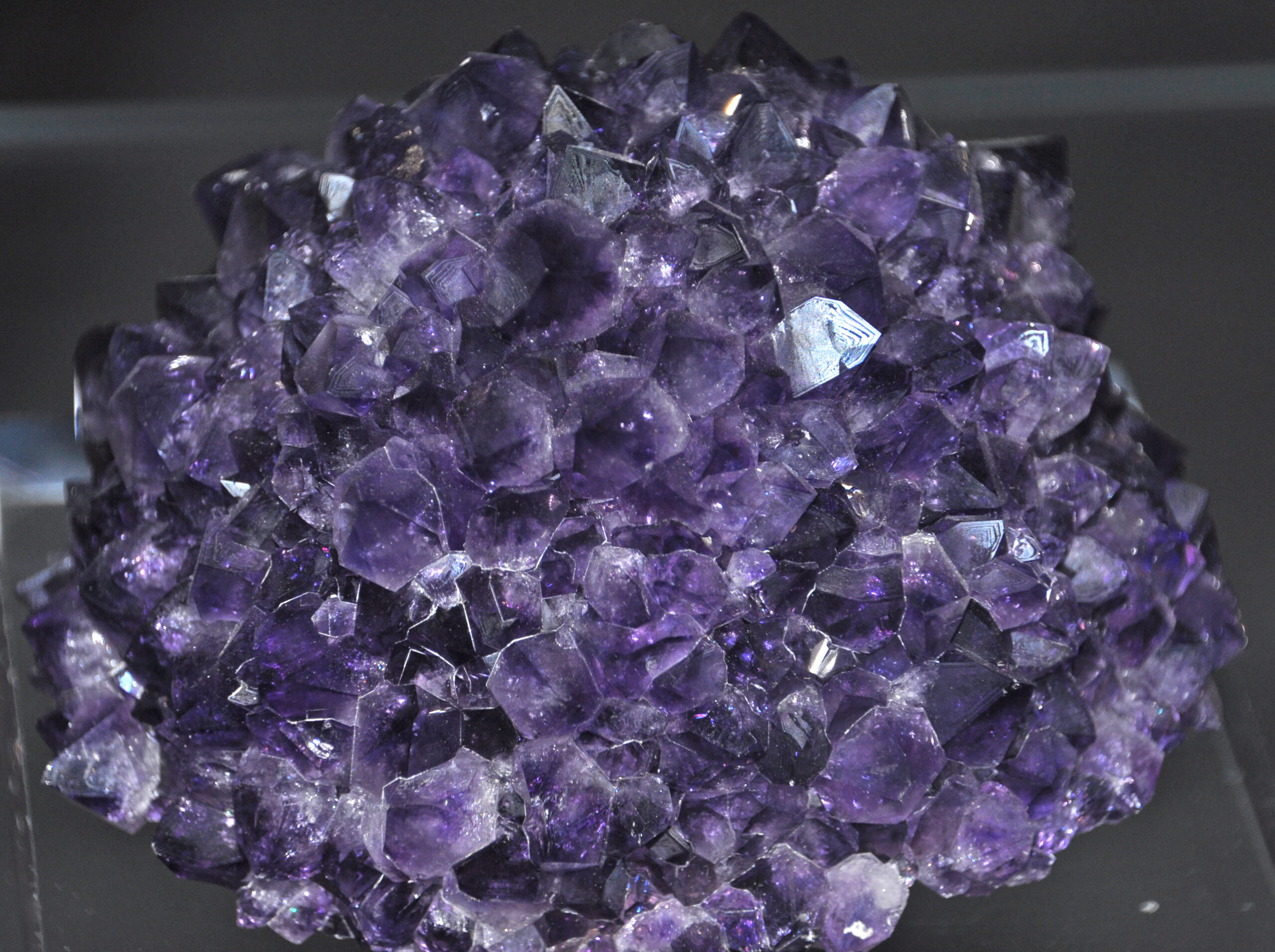
Amethyst is the birthstone for February. It’s a purple variety of quartz. Its color runs from pale lilac to deep purple. In crystal tradition, amethyst stands for clarity, calm and inner strength. Those meanings are cultural beliefs, not proven effects. Amethyst is also the gem for the 6th wedding anniversary.
What month is amethyst the birthstone for?
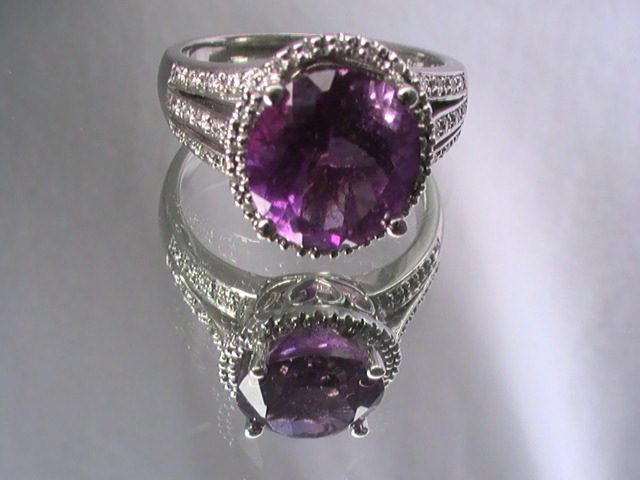
Amethyst is February’s birthstone. If you were born in February, or you’re buying a gift for someone who was, amethyst is the usual choice for that month.
Modern birthstone lists organize gems by calendar month. That’s the system this guide uses. You may see other lists online that pair crystals with zodiac signs or other schemes. Those come from separate traditions and aren’t part of the standard month-by-month birthstone list.
February birthstone jewelry comes in many styles, from small, pale studs to large, saturated cocktail rings.
What does the amethyst birthstone symbolize?
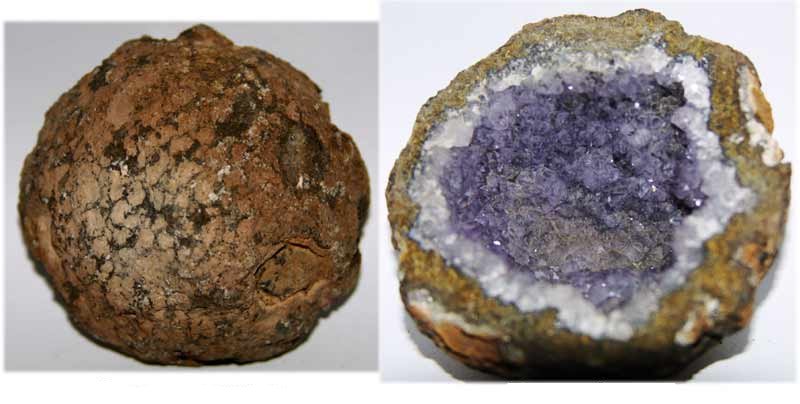
Amethyst has picked up a lot of meanings over the centuries. Everything in this section describes crystal tradition and historic belief. None of it is a scientifically proven property of the stone, and none of it should be read as a health or wellness claim.
The name and the “not intoxicated” legend. The word amethyst comes from the ancient Greek amethystos, which means “not intoxicated.” The ancient Greeks believed amethyst could protect the person wearing it from drunkenness. This was a historic belief, not an observed effect, and it explains a lot of the stone’s later symbolism.
Clarity and clear-headedness. Over time, the idea of staying sober grew into a broader link with a clear mind. In historic belief, amethyst was thought to keep its wearer clear-headed and quick-witted. Today, many people wear it as a personal reminder to think clearly. That’s about what the stone means to them, not about what it does.
Calm. In crystal tradition, amethyst is often linked with calm and peace. For many people its cool purple simply suggests a quiet, steady mood. That’s a symbolic association, not a measurable effect.
Inner strength and personal empowerment. Amethyst is also traditionally connected with courage and inner strength. When someone gives amethyst as a birthstone gift, this is often the meaning they have in mind: a token of resilience and self-belief.
Protection in tradition. In folklore recorded by the American Gem Society, people believed amethyst could protect its wearer from witchcraft and black magic, and help soldiers win battles. Treat this as part of the stone’s cultural story, not as a promise of any real-world effect.
The best way to think about the amethyst birthstone meaning is as layered symbolism built up over centuries. It can make the stone more personal to wear or give.
Amethyst colors and history
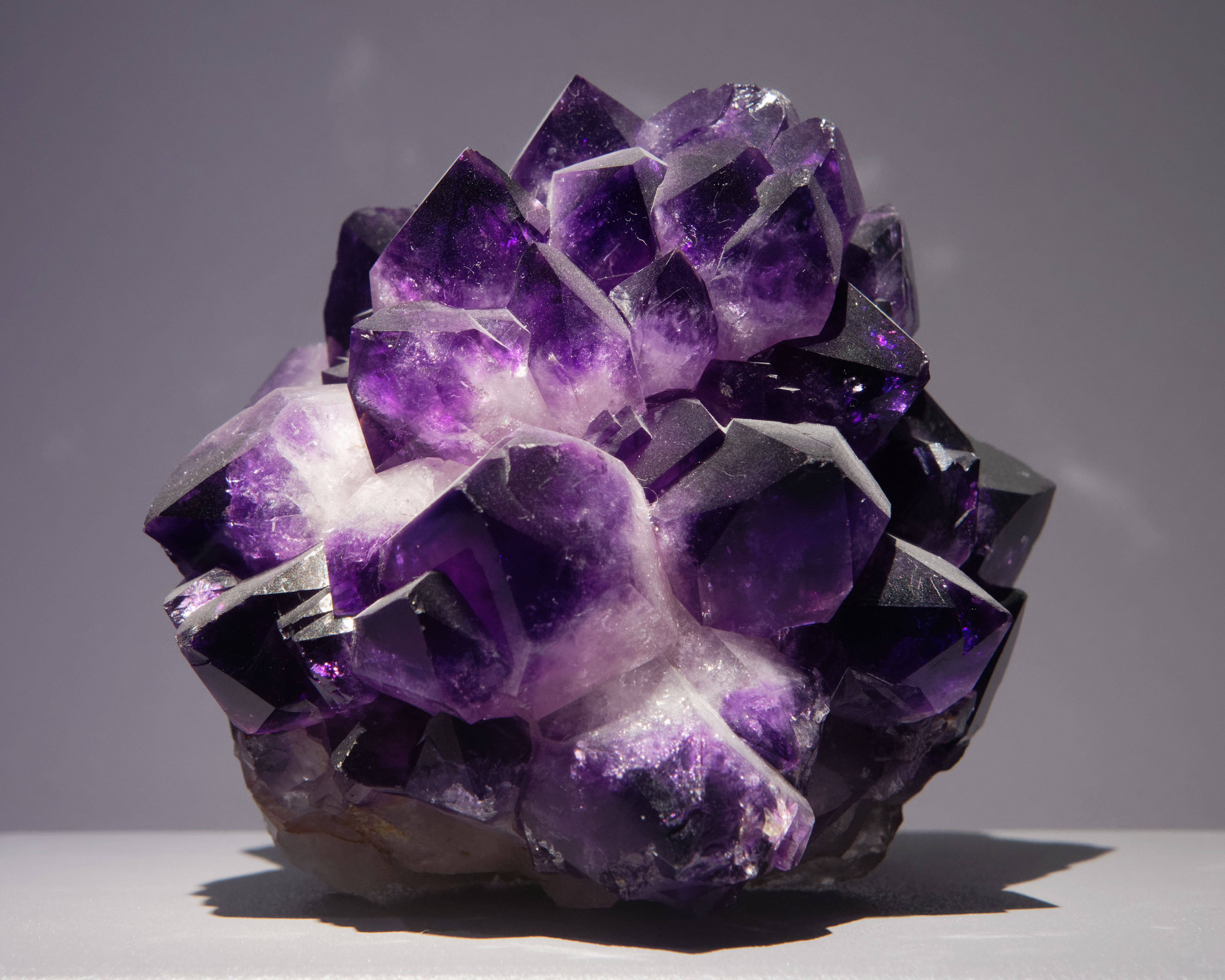
The amethyst birthstone color range
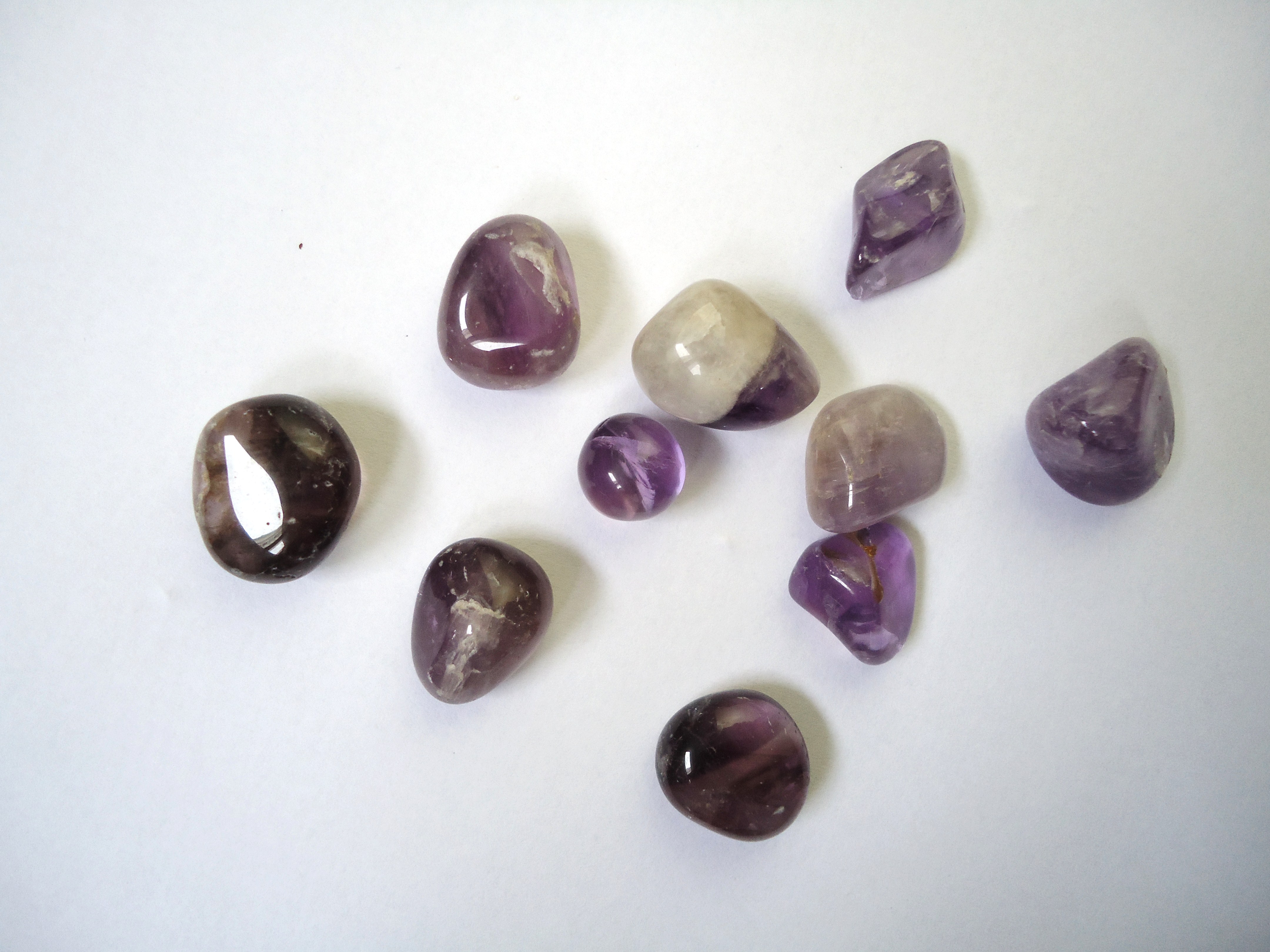
Amethyst birthstone colors run from pale lilac to deep, saturated purple. Some stones show reddish or bluish secondary hues.
The color is linked to trace iron in the quartz. That’s why amethyst and colorless quartz are the same mineral but look so different.
Gemologists value some shades more than others. The finest amethyst color is a strong reddish purple or purple with no visible color zoning. Color zoning means uneven bands or patches of color inside the stone. Paler stones are still lovely; they’re simply graded differently.
Name origin and ancient Greek lore
The name’s Greek origin is covered above. In ancient Greece and Rome, people added amethyst crystals to wine goblets in an attempt to keep from getting drunk. The color of wine and the color of amethyst made an easy pairing, which helps explain why the legend lasted.
Royal associations
Amethyst’s deep purple has long been linked with royalty: Catherine the Great, Empress of Russia, was known for her fondness for amethyst.
In the twentieth century, Wallis, Duchess of Windsor, owned a well-known Cartier amethyst bib necklace. She wore it to a gala at Versailles in 1953. The piece is still one of the best-known examples of amethyst in high jewelry.
Once as costly as ruby and emerald
Amethyst wasn’t always the accessible gem it is today. At one time, amethyst was as costly as ruby and emerald. That changed in the 19th century, when large deposits were discovered in Brazil. As supply grew, prices fell. Today amethyst remains the most prized variety of quartz, in demand for both designer pieces and everyday jewelry.
The 6th wedding anniversary gem
Amethyst is the traditional gem for the 6th wedding anniversary. So it works both as a February birthday gift and as an anniversary gift.
Is amethyst durable enough for everyday jewelry?
Yes, for most people and most styles, with a few sensible precautions.
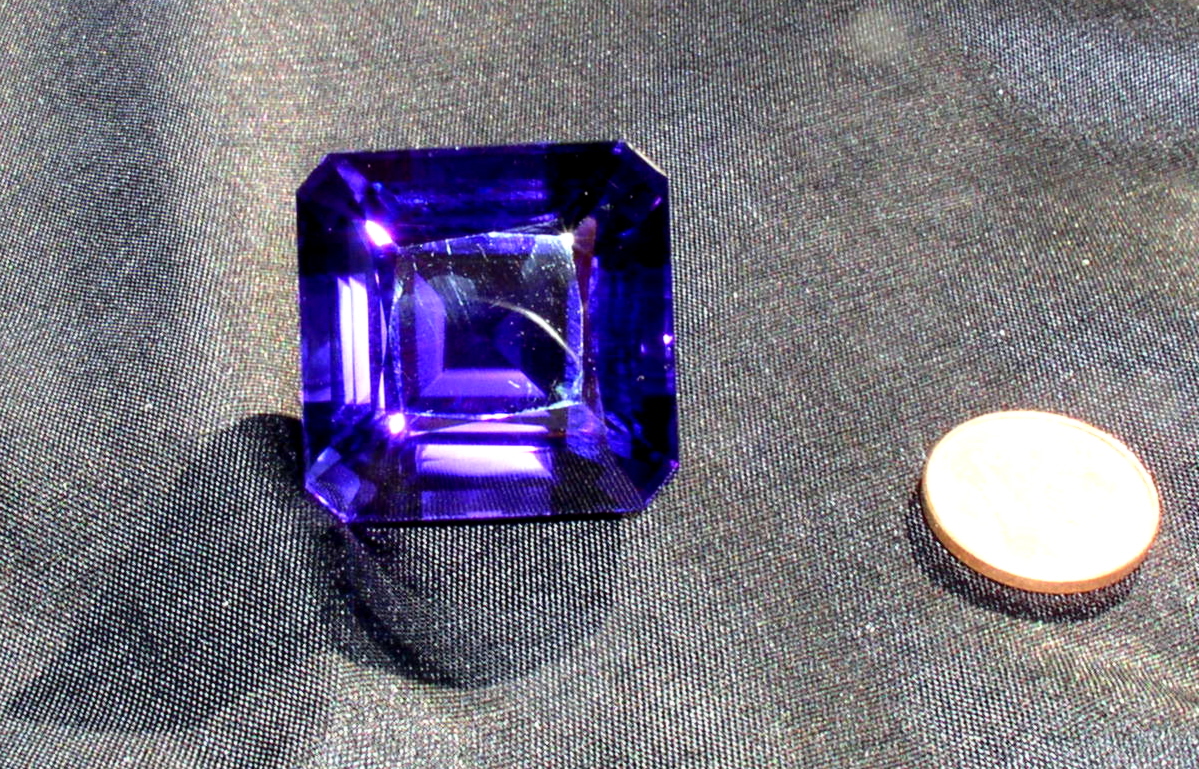
Amethyst has a hardness of 7 on the Mohs scale. That hardness, together with its everyday-wear record, makes amethyst durable enough for daily wear in most styles. That is not a guarantee against damage: a sharp knock can still chip a stone, and over the years an amethyst may need repolishing.
How you wear it matters. Rings and bracelets take far more knocks than earrings and pendants because hands and wrists bump into tables, doors and countertops all day. If you want an amethyst ring for daily wear, a protective setting such as a bezel, or a design that sits lower on the finger, can reduce the risk of chips and scratches. Earrings and pendants are generally more sheltered.
There’s one more precaution. Amethyst’s color may fade with prolonged exposure to intense light or heat. It’s not something to worry about in normal wear. It’s just a good reason not to leave your jewelry on a sunny windowsill or near a heat source for long periods.
How to care for amethyst birthstone jewelry
Amethyst is easy to look after. A few habits will help keep it looking its best.
Clean it gently. For an ordinary untreated stone in a sound setting, warm, soapy water and a soft cloth or soft brush are the standard safe clean. For a fracture-filled, glued, or otherwise unknown piece, do not assume the same method is safe for the whole piece — ask a jeweler before cleaning. Rinse well to remove soap residue, then pat dry.
Ultrasonic and steam cleaning. When in doubt, wash by hand with warm soapy water — that is the safe default. Ultrasonic cleaners are usually considered safe for amethyst, but only for a stone known to be untreated, without fractures or fracture filling, and in a sturdy setting. If any of that is unknown, do not use an ultrasonic cleaner. Steam cleaning is not recommended for amethyst.
Fracture-filled stones need extra care. Some amethysts have had surface-reaching fractures filled to improve their look. If you know your stone is fracture-filled, clean it only with warm, soapy water. Skip ultrasonic and steam cleaning entirely for these stones. If you do not know whether your stone is fracture-filled, or what filler was used, ask a jeweler before cleaning it at all — the same jeweler-first rule as above.
Store it separately. Keep amethyst away from harder gems such as diamonds, sapphires and rubies, which can scratch it. A separate pouch or a lined compartment in your jewelry box works well. Store it separately from softer pieces too, since amethyst can scratch gems that are less hard than it.
Avoid prolonged heat and direct sunlight. Take amethyst off before activities involving high heat, and don’t store it in strong sunlight.
If you’re wondering whether your amethyst can get wet, see our full guide on whether amethyst can go in water.
Buying an amethyst birthstone piece: checklist
Whether it’s a small birthday pendant or a more significant ring, these points will help you choose with confidence.
- Check the color, its evenness, and its zoning.
Look at the stone face-up in daylight and under indoor light. The most valued amethyst shows a strong reddish purple to purple with no visible color zoning. Paler or slightly zoned stones can still be beautiful and good value. Just know what you’re paying for. Turn the stone and look for bands or patches of uneven color; a skilled cutter works to show the stone’s color as evenly as possible from the top.
- Assess the cut.
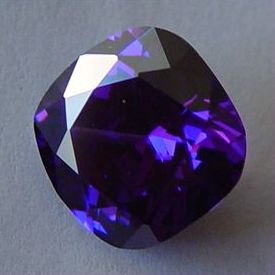
A well-cut amethyst shows even color and lively brightness across the face, without dark “windows” or dull areas. Amethyst comes in many shapes, so pick one that suits the setting and how it’ll be worn.
- Ask about treatments and synthetics.
Two different things can affect a stone, and they should not be confused: natural fractures, which occur in the stone itself, and treatments, which are things done to the stone afterwards. Amethyst is rarely treated, but it might have fractures. When amethyst is treated, heat is the most common method: it can lighten very dark stones, and it can turn some amethyst yellow, to citrine. Fracture filling is another treatment: a surface-reaching fracture is filled to improve the stone’s look. Synthetic amethyst also exists, and it can be difficult to distinguish from natural stone without advanced testing. Ask the seller to confirm in writing whether the stone is natural or lab-grown, and whether it has been treated in any way, including fracture filling. Do not rely on a verbal assurance alone.
- Get a lab report for a significant purchase.
For a larger or more expensive piece, ask for a report from an independent gemological laboratory. A report’s scope depends on the laboratory and the tests run, so ask what it actually covers. It’s peace of mind that the stone is what you’ve been told it is.
- Match the setting to the wearer.
For daily rings or bracelets, choose a protective setting. For a gentler daily option, earrings and pendants are naturally better protected.
If you’re new to gemstones and crystals in general, our guide to crystals for beginners covers the basics. And if you’re choosing between amethyst and rose quartz, our comparison of amethyst vs. rose quartz explains how they differ in color, properties and traditional meaning.
Sources
- GIA, February Birthstones (https://www.gia.edu/birthstones/february-birthstones): birthstone identity, history and lore, care and cleaning, heat treatment, synthetics and the 6th wedding anniversary association.
- GIA, Amethyst (https://www.gia.edu/amethyst): mineral facts, colour, quality factors, history and lore, affordability and size.
- GIA 4Cs, Amethyst – A Variety of Quartz (https://4cs.gia.edu/en-us/blog/amethyst-variety-of-quartz/): February birthstone identity, heat and sunlight care, warm soapy water, ultrasonic and steam guidance.
- GIA, Amethyst Buyers Guide (https://www.gia.edu/amethyst/buyers-guide): durability and repolishing, warm soapy water, fracture-filled care, laboratory reports, origin and value factors.
- American Gem Society, February Birthstone (https://www.americangemsociety.org/birthstones/february-birthstone/): colour range, zoning, everyday wear and anniversary associations.
- American Gem Society, The Folklore & Legend of Amethyst (https://www.americangemsociety.org/amethyst-folklore/) and Birthstones in Folklore (https://www.americangemsociety.org/birthstones-in-folklore/): traditional associations (peace, calm, courage, inner strength, protection, royalty) presented in this article as folklore, not fact.
- Mindat, Amethyst (ID 198) (https://www.mindat.org/min-198.html): quartz variety, SiO2 formula, violet-purple colour, and iron as the primary colour cause (Mindat catalogue article, Hassan 1972).